A photographic portrait studio was in continuous operation at 51-52 Robertson Street, Hastings, for over 50 years.
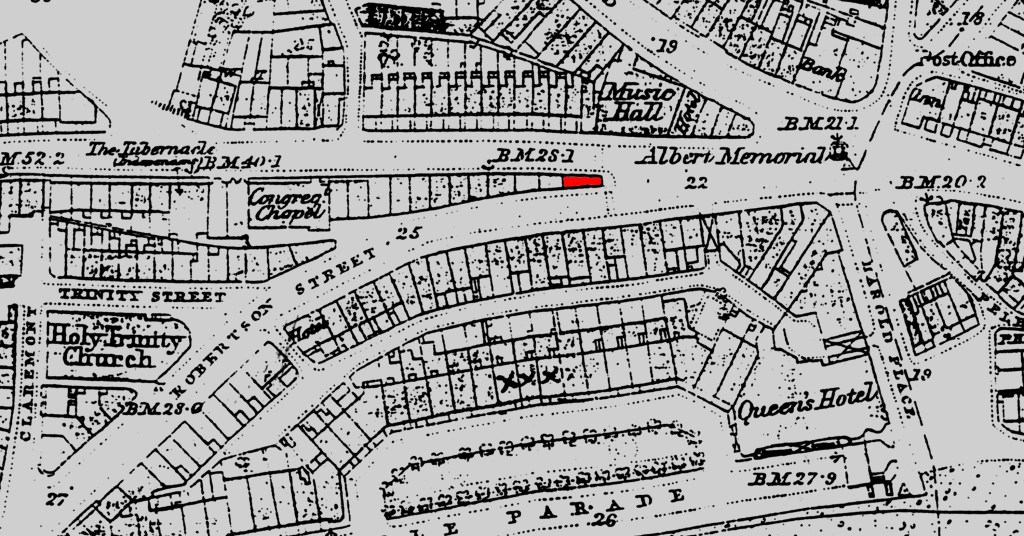
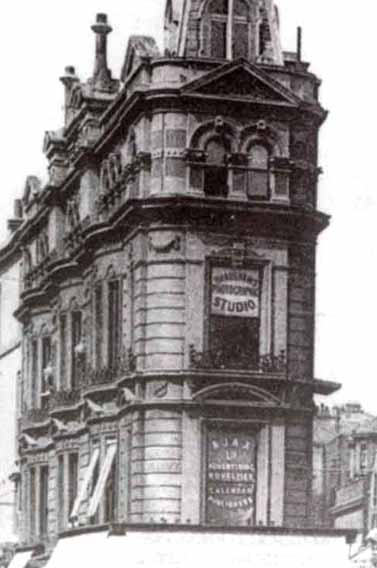
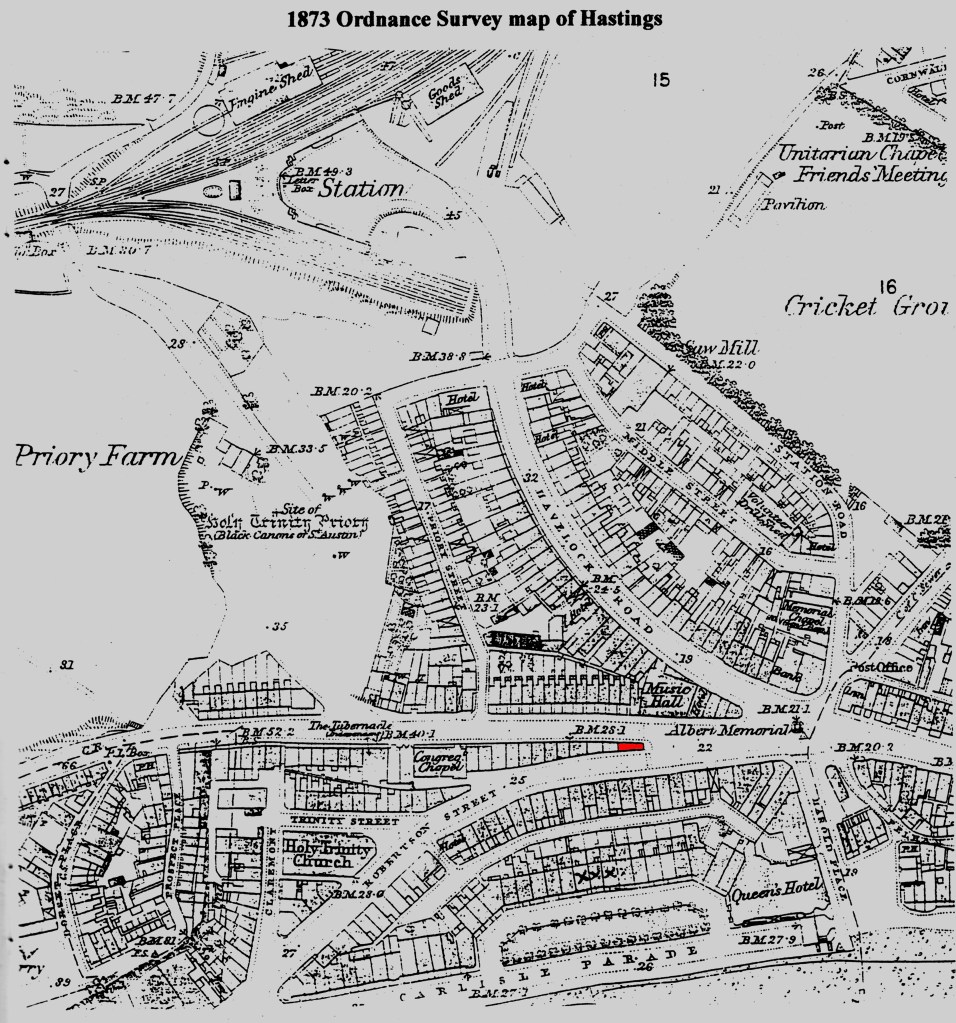
[ABOVE] A late Victorian photograph of ‘The Memorial Studio’ at 51-52 Robertson Street, Hastings placed alongside an 1872 Ordnance Survey Map of Hastings showing the location of the studio (marked in red).
The Proprietors of the Photographic Portrait Studio at 51-52 Robertson Street, Hastings (1864-1918)
| NAME OF PROPRIETOR | No. | STUDIO ADDRESS | DATES |
| Wells & Hodges | 52 | Robertson Street, Hastings | 1864-1865 |
| Francis Ross Wells | 52 | Robertson Street, Hastings | 1865-1867 |
| John Beetham | 52 | Robertson Street, Hastings | 1867-1869 |
| Thomas Mann & Co. | 52 | Robertson Street, Hastings | 1870-1874 |
| Robert Bell Hutchison | 52 | Robertson Street, Hastings | 1874-1876 |
| Thorpe & Friederich | 52 | Robertson Street, Hastings | 1876 |
| John Wesley Thomas | 52 | Robertson Street, Hastings | 1877-1880 |
| Henry Constantine Jennings | 52 | The Memorial Studio, Robertson Street | 1881-1886 |
| George William Bradshaw | 51c | The Memorial Studio, Robertson Street | 1886-1890 |
| George William Bradshaw | 51d | The Memorial Studio, Robertson Street | 1890-1902 |
| Sydney Shaw & Co. | 51d | Shaw’s Cheap Photos, Robertson Street | 1903-1918 |
The Photographic Studio at 51-52 Robertson Street, Hastings
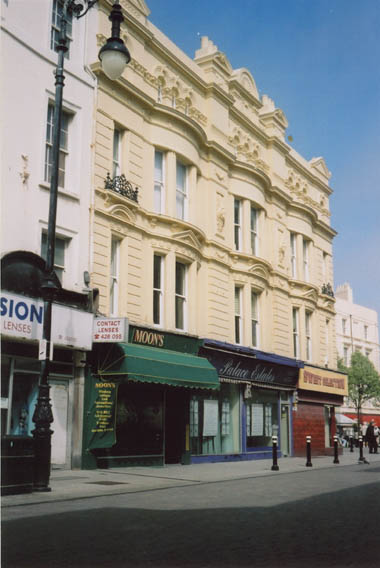
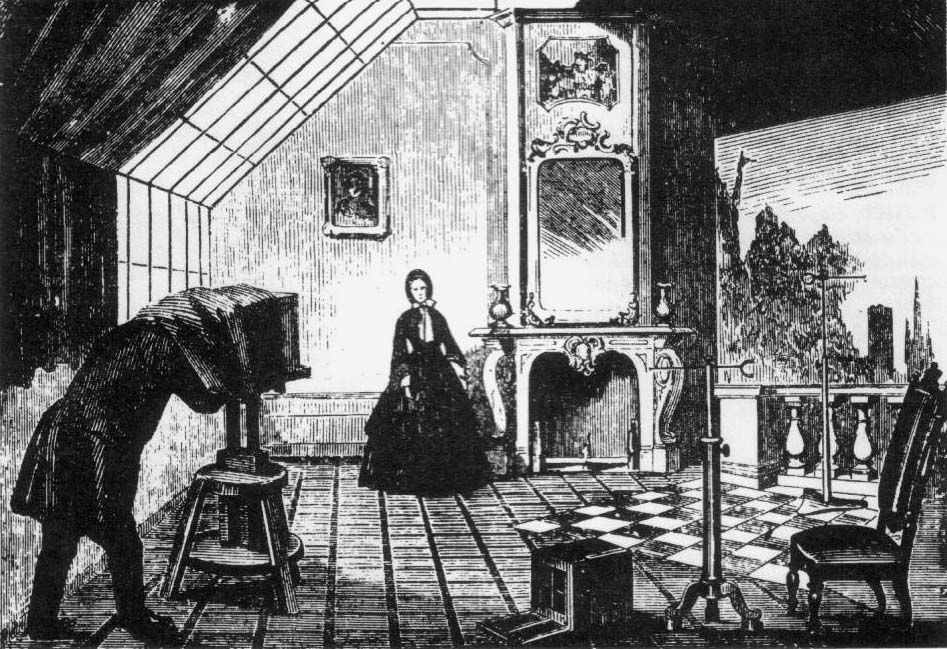
The studio premises above 51-52 Robertson Street had been specially designed and built “for photographic purposes” around 1864 by shop-owner and property developer Edwin Plummer, under “the direction of a skilled practical photographer” named Francis Ross Wells (1834-1893). The building at number 52 was equipped with a north-facing “glass-house” studio which was pronounced “the Best Lighted one on the South Coast “.
After the photographic studio at No. 52 Robertson Street was completed in 1865, the photographer Francis Ross Wells entered into a business partnership with a Mr Hodges, who was based at a studio in Bohemia Road, Hastings.
Wells & Hodges (1865)
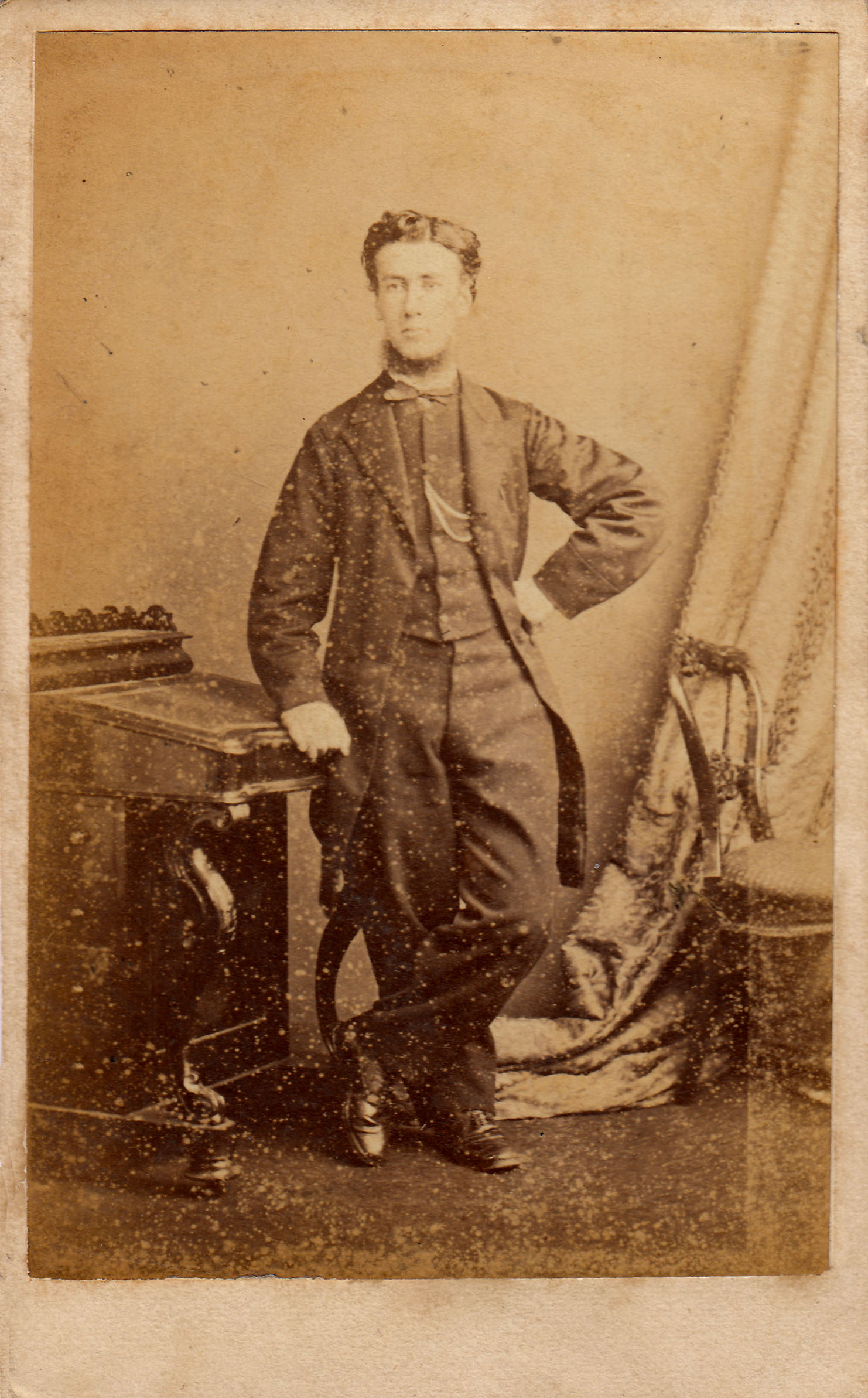
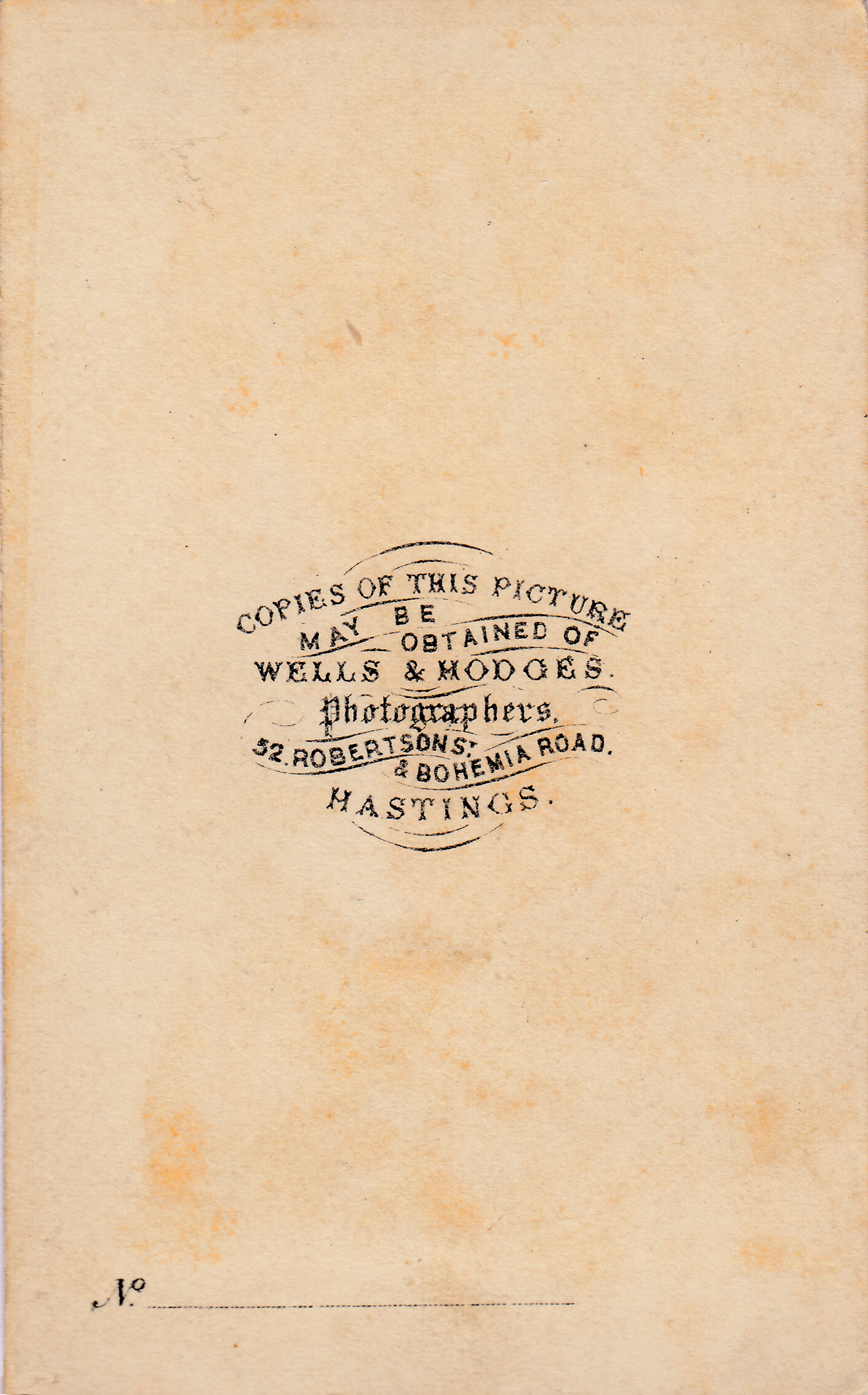
In 1865, the photographer Francis Ross Wells entered into a business partnership with Mr Hodges (a photographer based in Bohemia Road, Hastings). The business partnership was short-lived and by the end of 1865, Francis Ross Wells was the sole proprietor of the studio at No. 52 Robertson Street. Hastings.
Francis Ross Wells (1834-1893)
In 1864, Francis Ross Wells worked with draper & property developer Edwin Plummer (1840-1916) to create a photographic portrait studio in the top storey of a building at No. 52 Robertson Street, Hastings. The completed studio consisted of a north-facing “glass-house” studio which was later described as “the Best Lighted one on the South Coast“. Francis Ross Wells occupied the studio at 52 Robertson Street from 1865 until February 1867, when he sold the studio to the photographer John Beetham.
Francis Ross Wells was born in Soho, London, around 1834. In his twenties, Francis Wells moved down to the Sussex seaside resort of Brighton and, in 1859, he set up a photography business with William Hilton, a ‘photographic instrument maker‘. From 1859, Francis R. Wells operated a photographic portrait studio at 27 St James’s Street, Brighton, but in January 1862, he was declared bankrupt. In 1863, Francis Ross Wells formed a business partnership with portrait artist and photographer named Stephen Grey. The firm of Wells & Grey ran a studio at 144 Western Road, Brighton, until October 1865 when Stephen Grey became the sole proprietor of the Brighton studio. During 1864, Francis Ross Wells had already made arrangements to move to Hastings and establish a new photographic portrait studio at No.52 Robertson Street, Hastings.
The ‘carte-de-visite‘ photograph
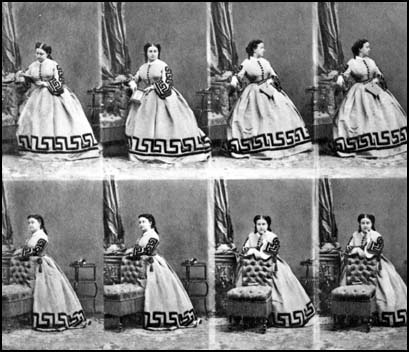
During the 1860s, the most popular format for portrait photography was the ‘carte-de-visite‘, a small photographic paper print pasted on a card mount the same size as a conventional visiting card (roughly 2.5 inches by 4.25 inches or 6.3 cm by 10.5 cm). This photographic format originated in France and so a small photo portrait mounted on card came to be known as a ‘carte-de-visite’, the French term for visiting card. Between 1860 and 1880, the ‘carte-de-visite’ was the most popular format for portrait photography.
Gallery
Gallery of Carte-de-visite Portraits by Francis Ross Wells of 52 Robertson Street, Hastings (1865-1867)
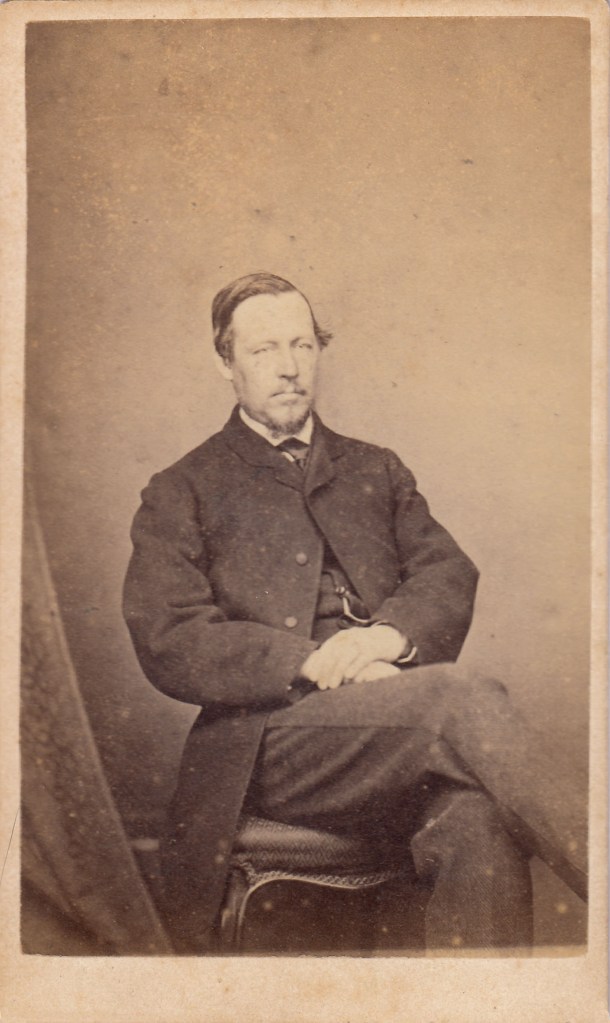
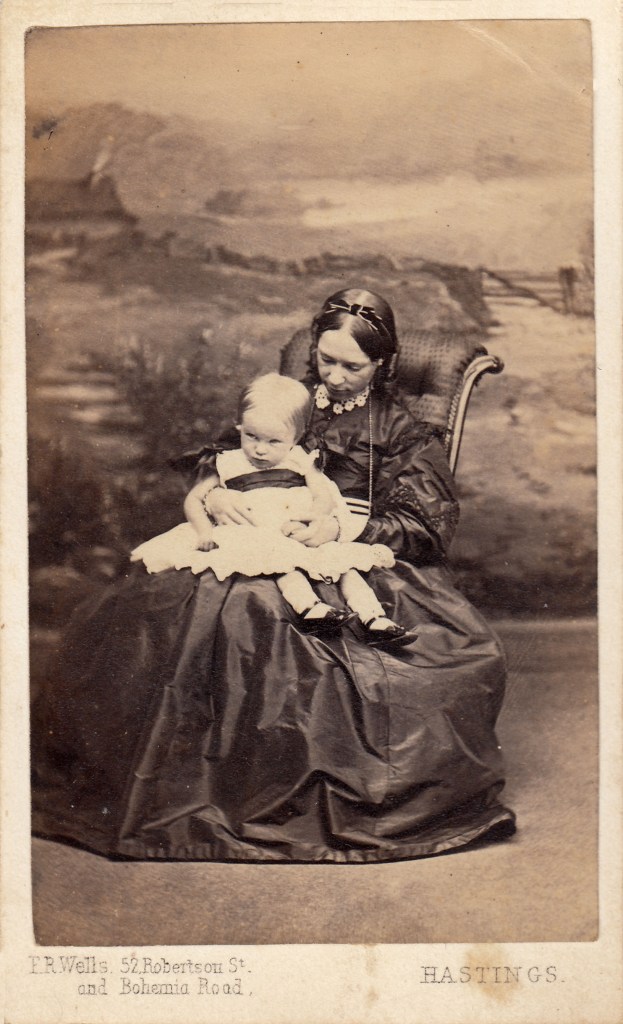
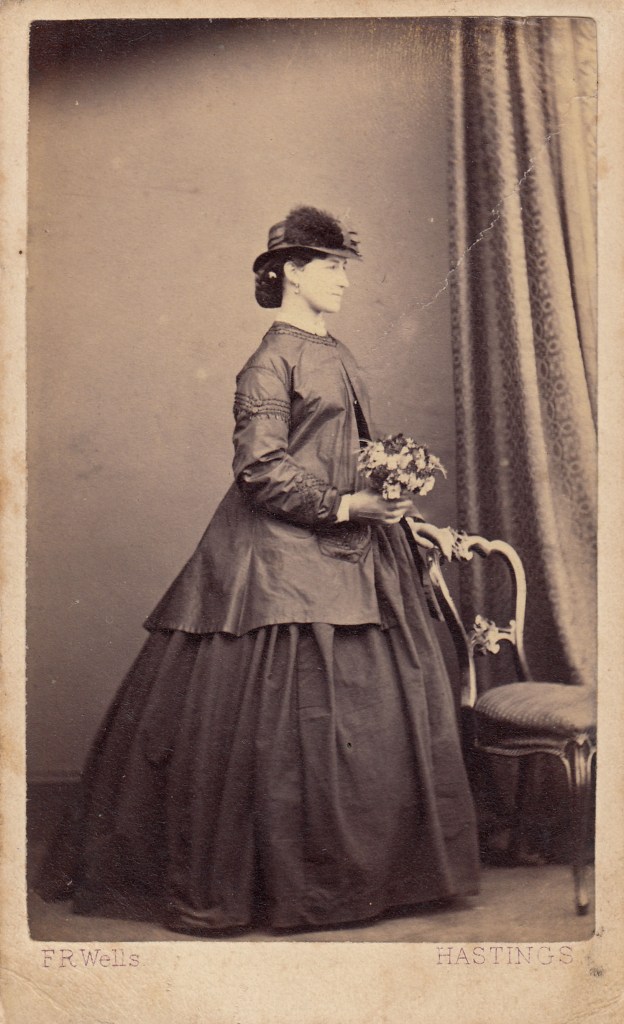
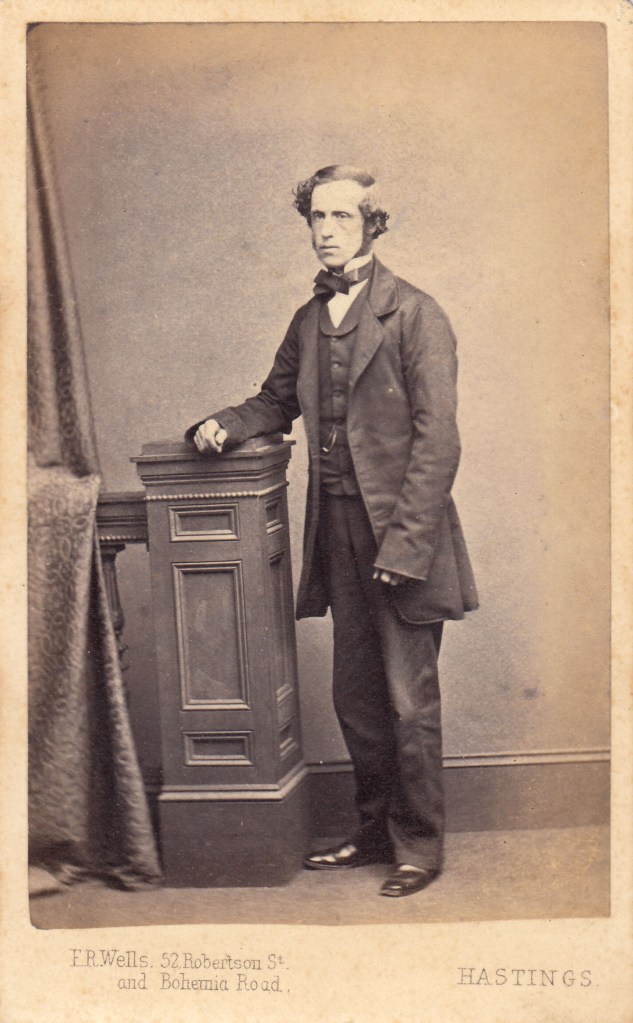
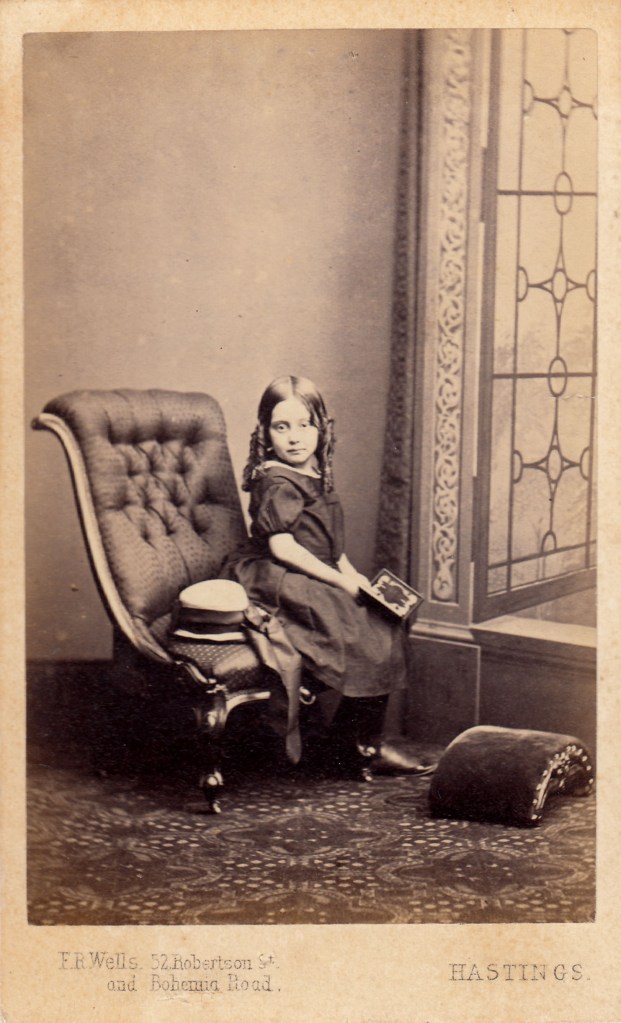
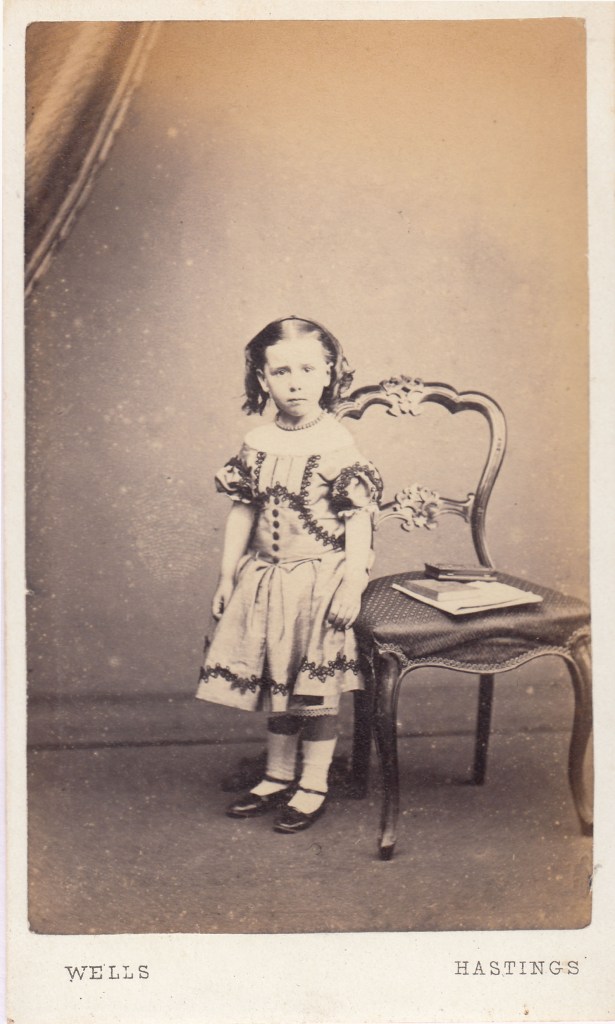
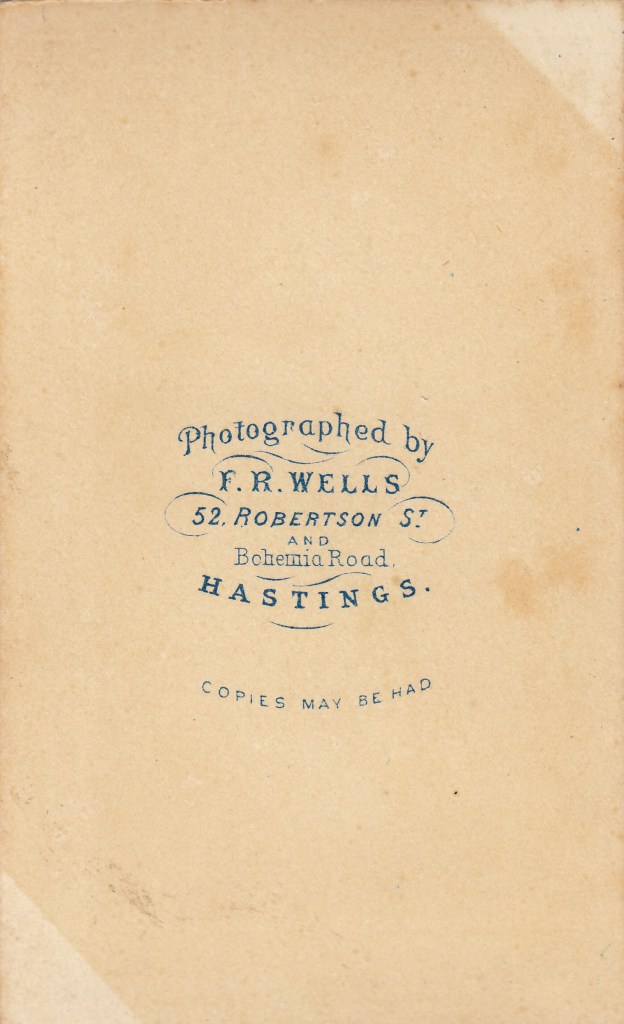
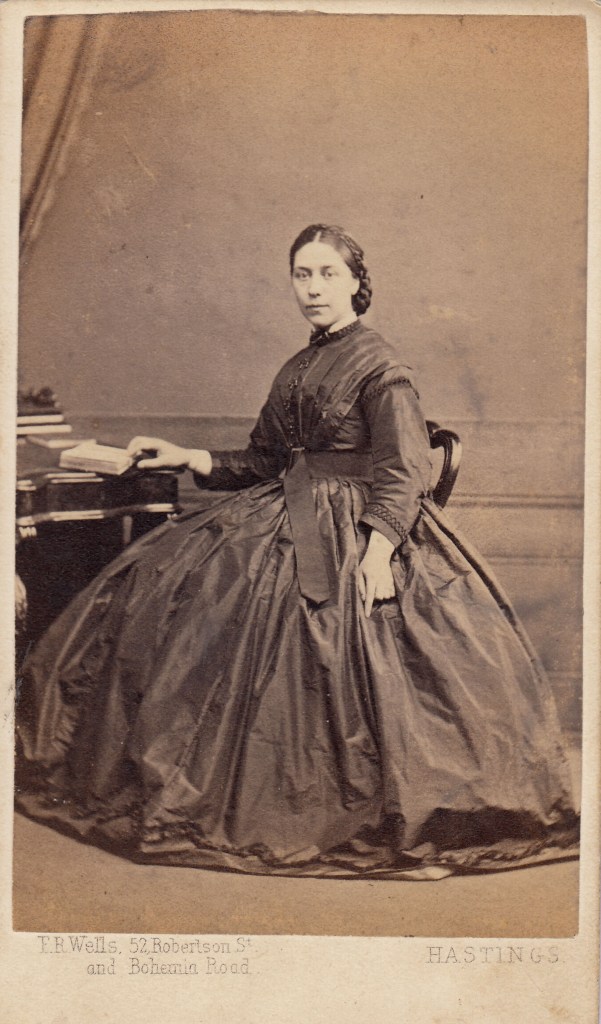
After he sold his Robertson Street studio to John Beetham in 1867, Francis Ross Wells and his family moved to Barking, Essex, where he found work as a clerk for a gas company. In 1887, twenty years after he left his Robertson Street studio in Hastings, Francis Ross Wells tried again to make his living as a professional photographer, running a studio in North London. On 23rd September 1893, 59-year-old Francis Ross Wells collapsed and died from a ruptured heart at Farringdon Street Railway Station.
John Beetham (1831-1877)
John Beetham was born in 1831 in Preston, Lancashire, the son of a blacksmith. As a young man it looked like John was going to pursue a career in law. In 1851, John Beetham was employed as an “Attorney’s Clerk” and ten years later he was working as a “Law Stationer“.
By the time John Beetham arrived in Hastings around 1866, he had become a photographer. By March 1867, John Beetham had acquired Francis Ross Wells’ photographic studio at 52 Robertson Street, Hastings.
Gallery of Carte-de-visite Portraits by John Beetham of 52 Robertson Street, Hastings (1867-1869)
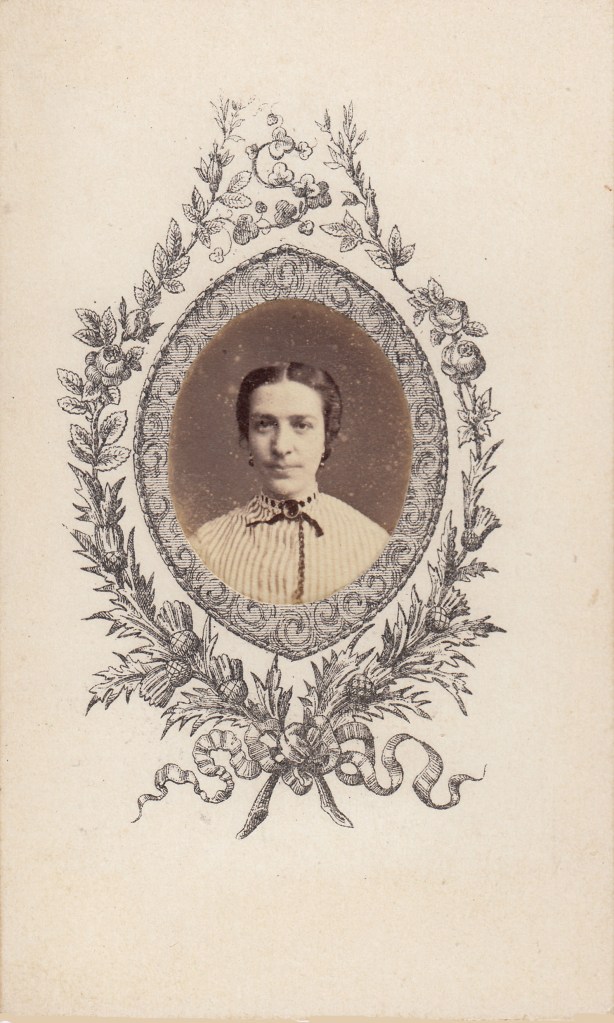
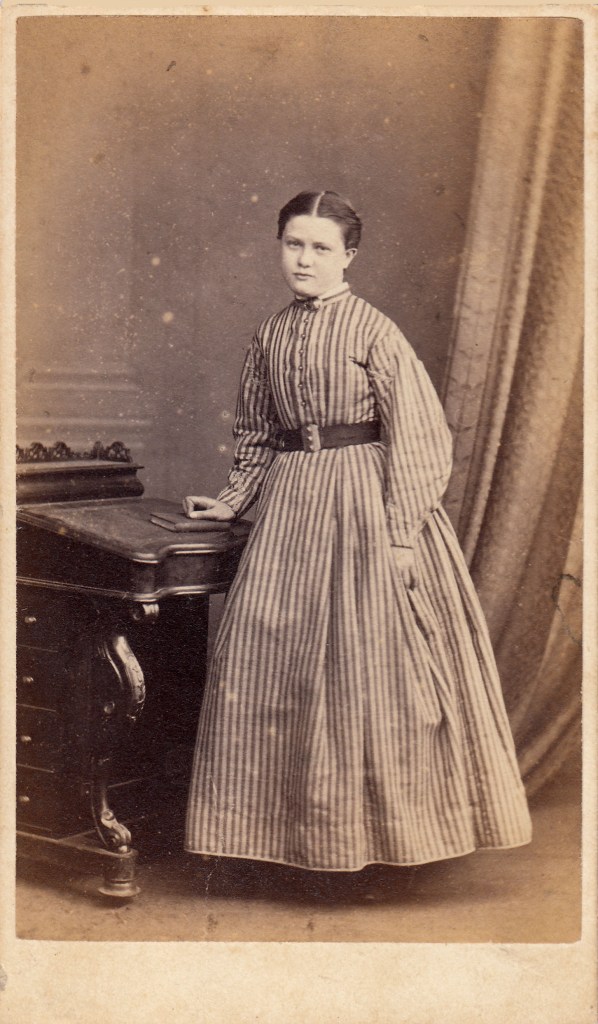
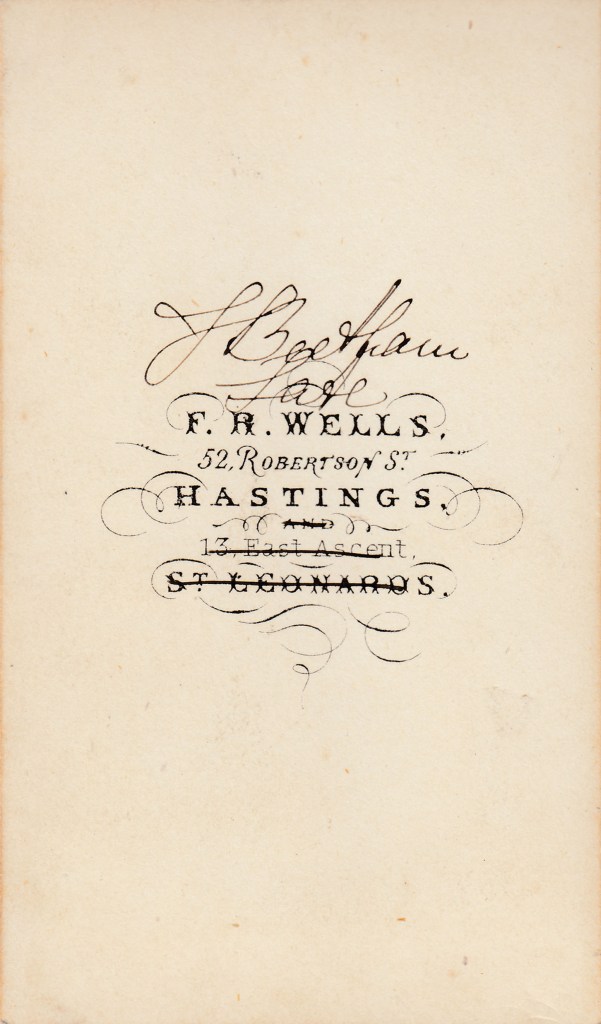
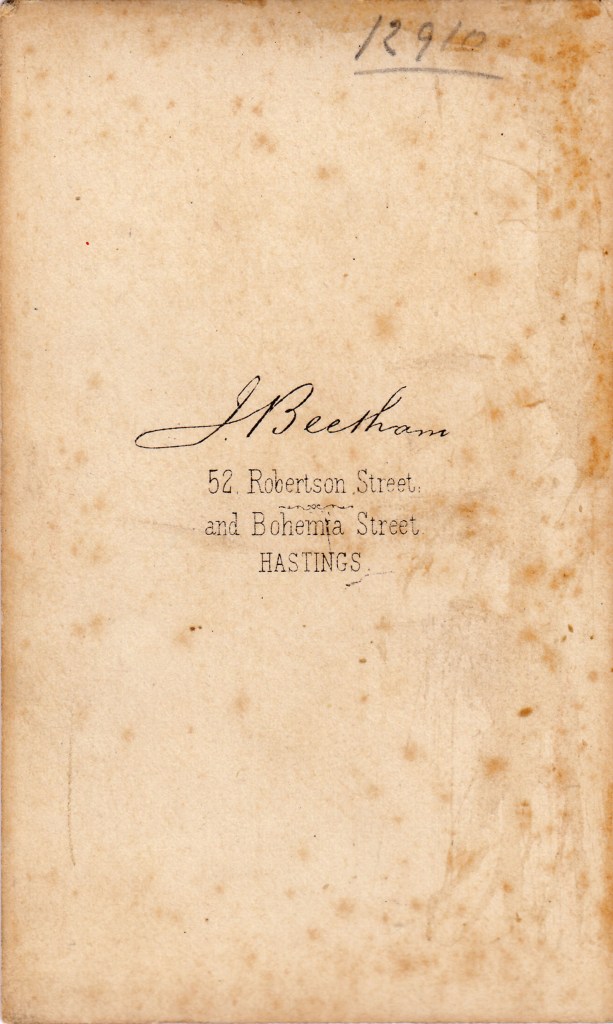
John Beetham was in business as a photographer at 52 Robertson Street, Hastings, for less than three years.
In 1870, John Beetham sold his studio at No.52 Robertson Street to Thomas Mann junior, who, for a number of years, had been operating as a photographer at his father’s business premises at No. 20 Robertson Street and was looking for a studio of his own.
After disposing of his Hastings studio, John Beetham worked as a “Photographic Artist” in Ashford, Kent. In the mid-1870s, Beetham returned to Sussex to work as “likeness taker” for Edwin Gasson, a photographer based in Rye. In 1877, John Beetham, then a married man with 7 children, died trying to save one of his sons from drowning. John Beetham was 45- years-old at the time of his death.
Thomas Mann junior (1838-1874)
Thomas George Mann was born in Hastings in 1838 , the son of Thomas Mann senior (1815-1903), a carver & gilder. By 1856, Thomas Mann senior had acquired business premises at 20 Robertson Street, Hastings. As well as working as a carver & gilder, Thomas Mann senior sold artists’ materials and ran an ‘Artists’ Repository’ at 20 Robertson Street. Thomas Mann senior also allowed his eighteen year old son, Thomas Mann junior, to operate a photographic portrait studio in his premises. Thomas Mann junior worked as a photographer at 20 Robertson Street from 1856 until 1858.
In 1858, Thomas Mann junior married Mary Pace of Tunbridge Wells and, after the wedding, he settled in his wife’s home town. In 1863, Thomas Mann junior returned to Hastings to resume his photographic career, re-opening his studio at 20 Robertson Street.
Thomas Mann Junior, Photographer at 52 Robertson Street
It is likely that Thomas Mann junior continued his career as a photographic artist at his father’s business at 20 Robertson Street, Hastings, from around 1863, but he is not recorded as a photographer at this address in local trade directories until 1866.
Early in 1870, Thomas George Mann acquired the photographic studio at 52 Robertson Street, recently vacated by John Beetham. Thomas Mann junior remained at No. 52 Robertson Street for the next 4 years.
Gallery of Carte-de-visite Portraits by Thomas Mann junior of 52 Robertson Street, Hastings (1870-1874)
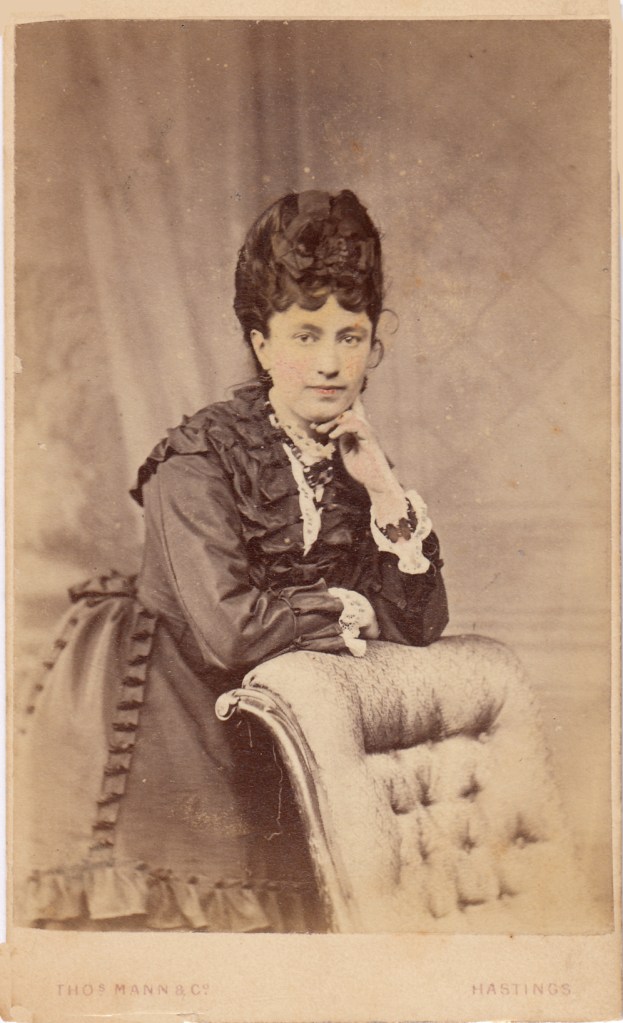
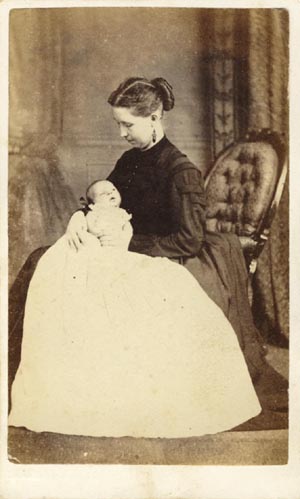
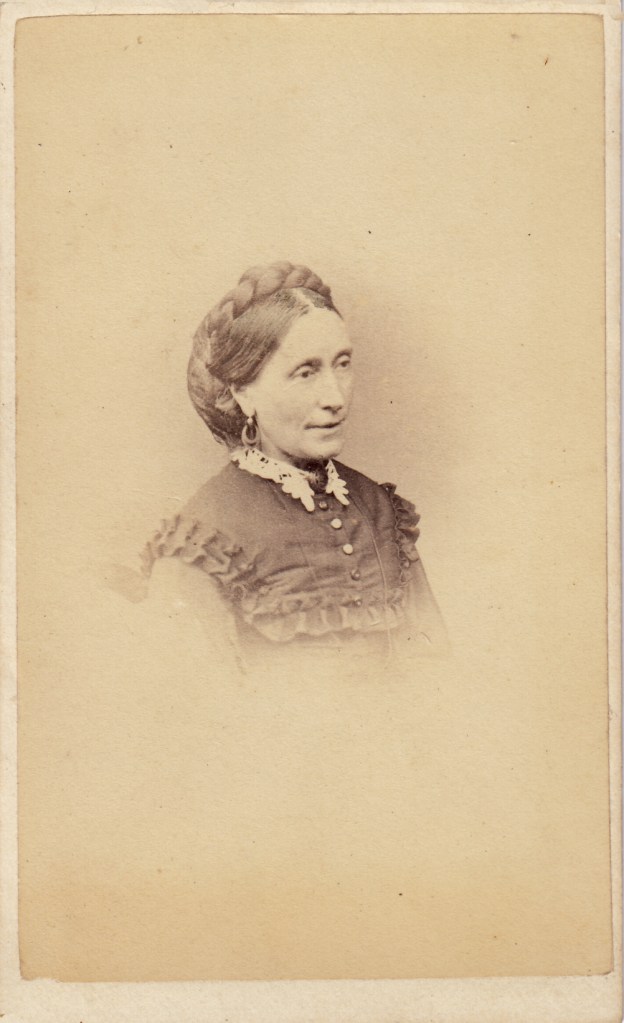
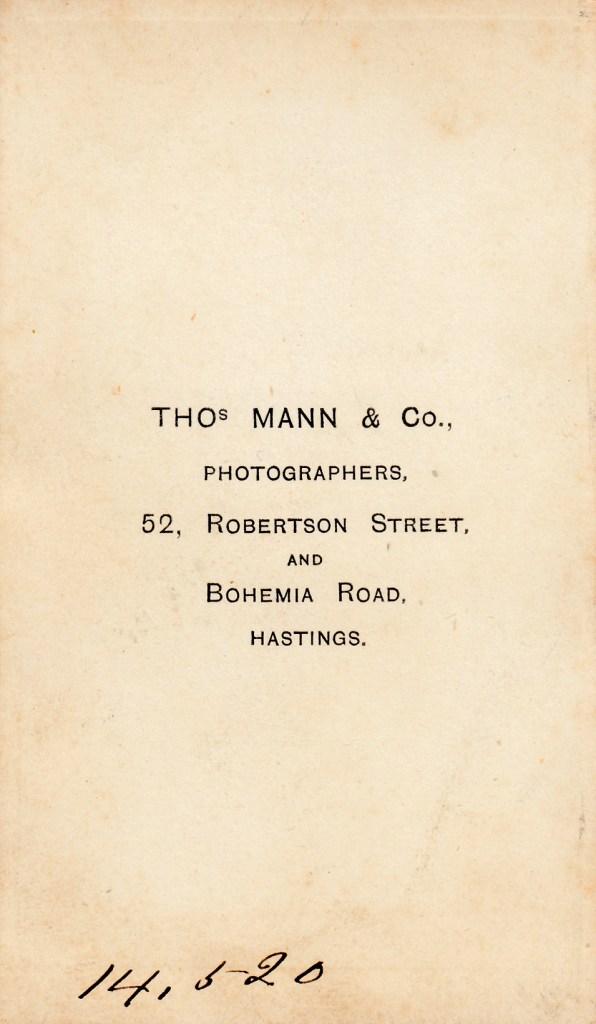
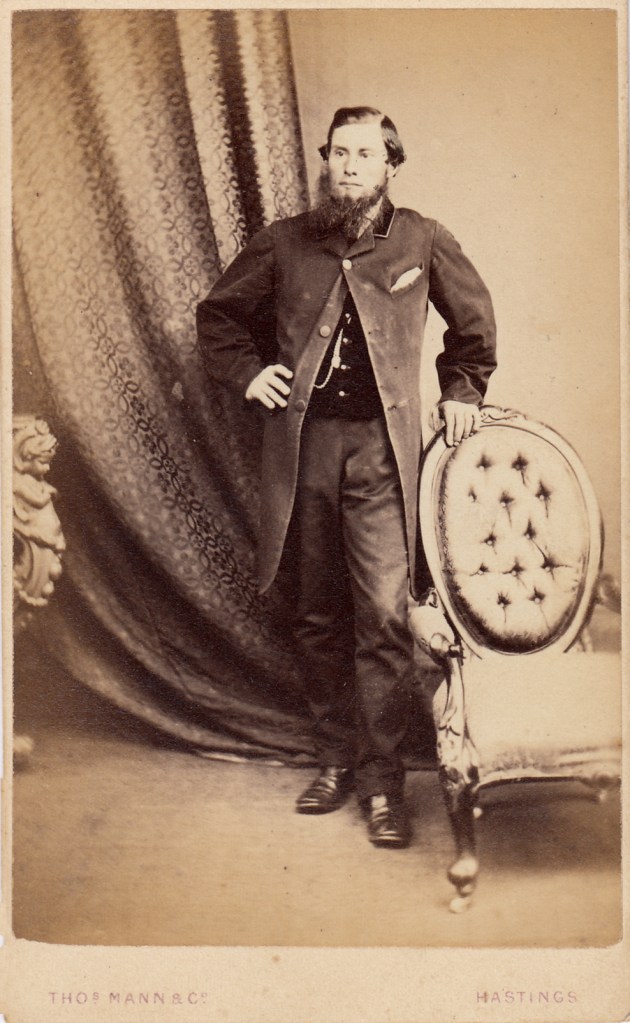
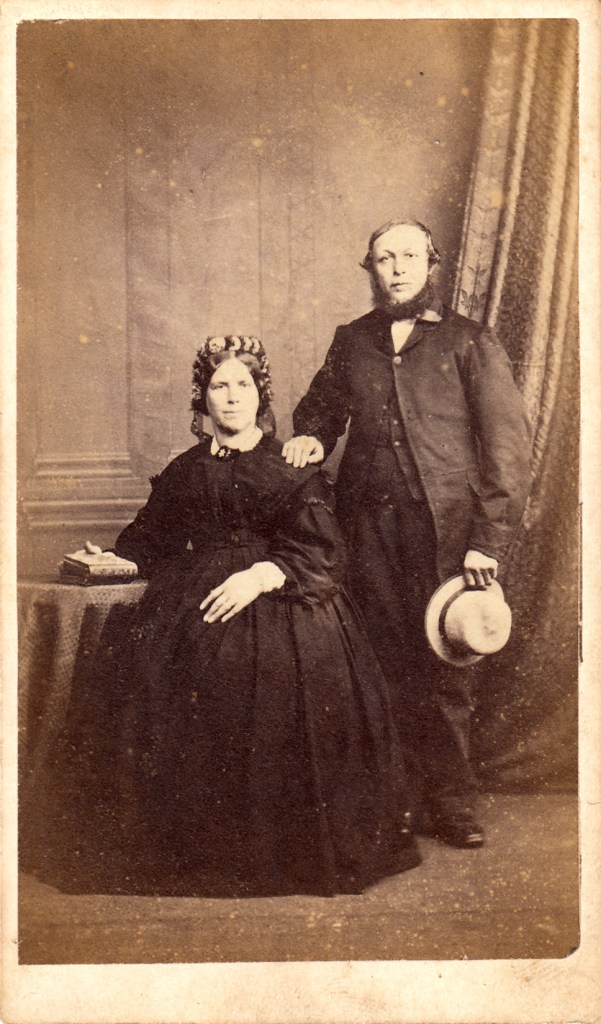
Thomas George Mann died in Hastings during the Spring of 1874 at the relatively young age of thirty-four. After Thomas Mann junior’s death, the studio at 52 Robertson Street passed to the Hastings-based photographer Robert Bell Hutchison.
Robert Bell Hutchison (1850-1927)
Robert Bell Hutchison was born at Tunbridge Wells, Kent on 8th July 1850, the youngest son of a stone merchant. As a teenager, Robert trained as a photographer in London. In 1867, at the age of 17, Robert Hutchison married Clara Sparke and moved down to Hastings, where, in 1872, he set himself up as a portrait photographer at 81 St Andrews Road.
Towards the end of 1874, Robert Bell Hutchison was given the opportunity to acquire Thomas Mann junior’s well-equipped photographic portrait studio at 52 Robertson Street. The sale of the studio at 52 Robertson Street, Hastings following the premature death of Thomas Mann junior, allowed Robert Bell Hutchison to take possession of one of the most desirable photographic studios in Hastings. However, Robert Bell Hutchison occupied this studio for a period of less than two years. By 1876, Hutchison’s studio at 52 Robertson Street, Hastings had passed to the firm of Thorpe & Friederich, a partnership between two young photographers William Edward Thorpe (born 1846, Smeeth, Kent) and Walter Ulrich Friederich (born 1856, St Leonards, Sussex).
Gallery of Carte-de-visite Portraits by Robert Bell Hutchison of 52 Robertson Street, Hastings (1874-1876)
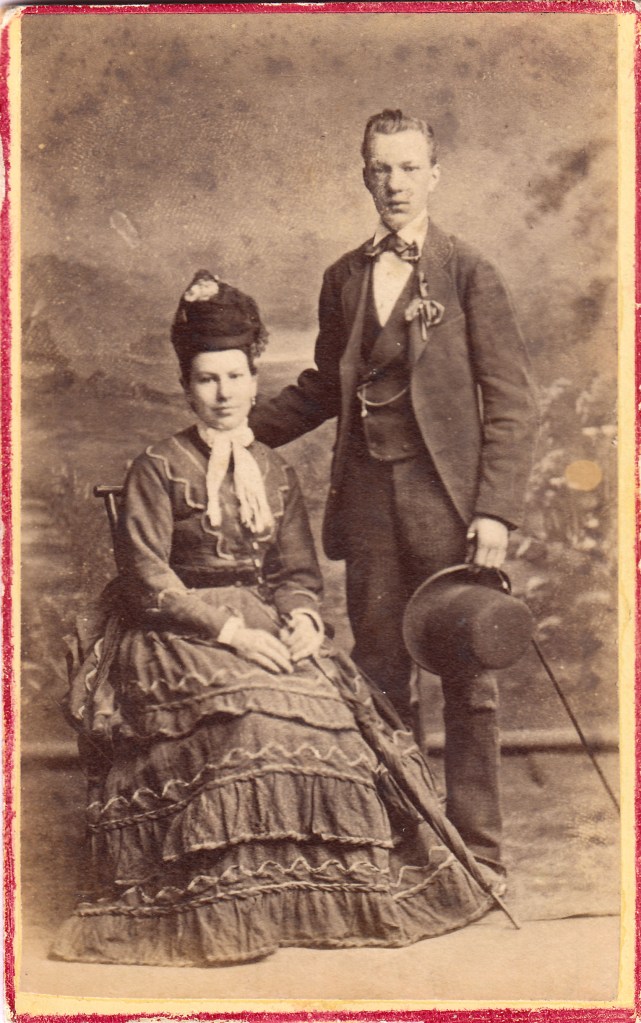
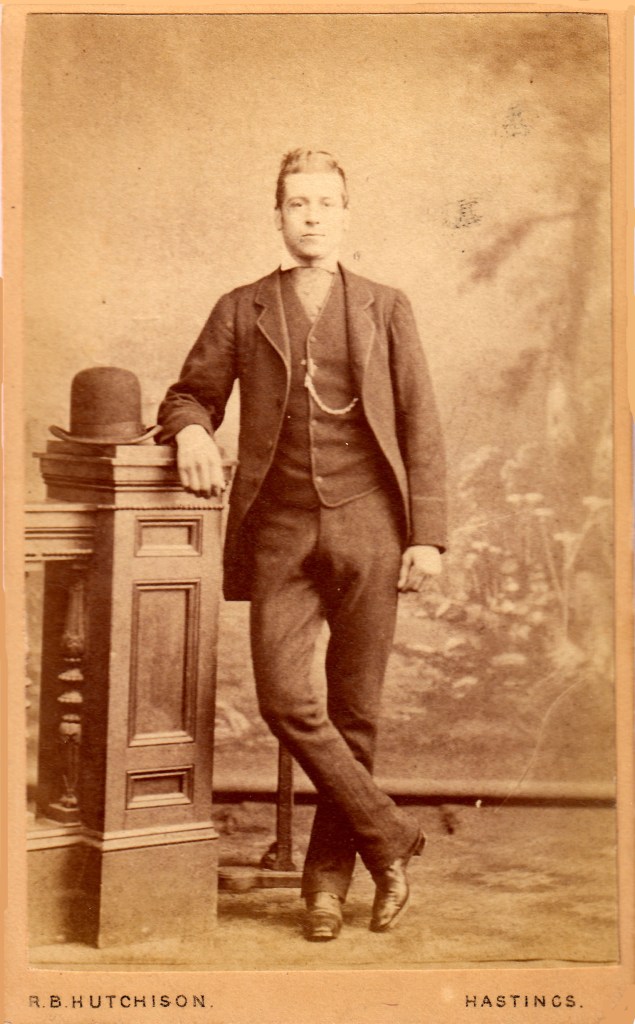
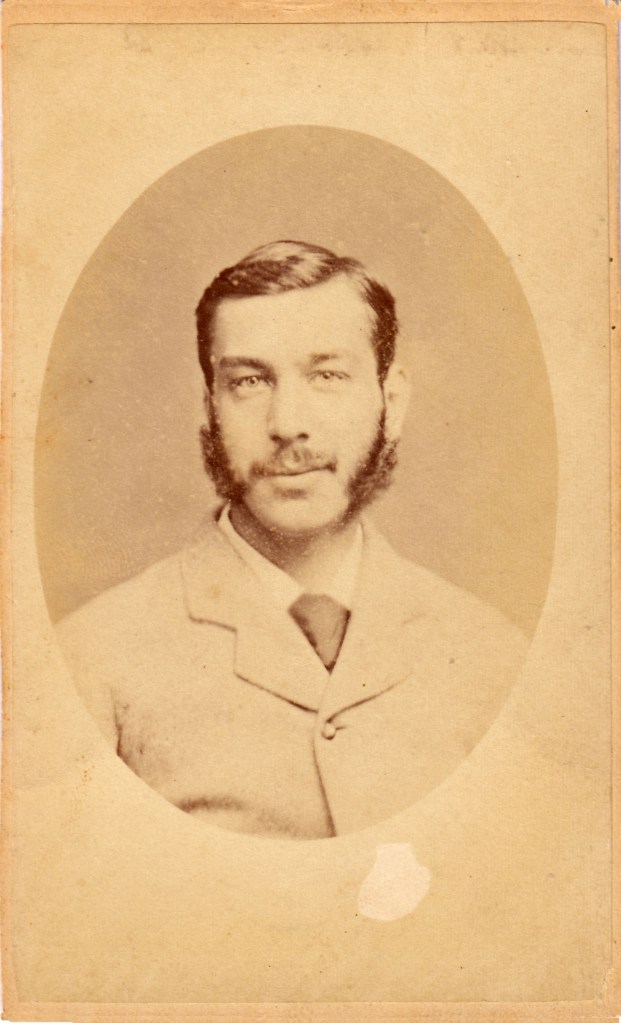
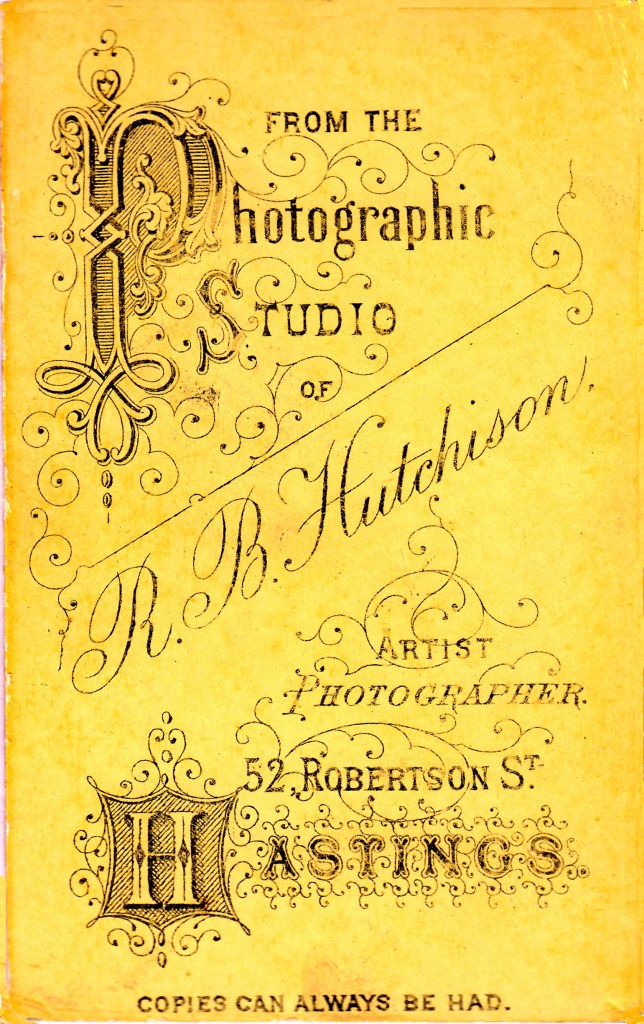
The Partnership of Thorpe & Friederich at 52 Robertson Street, Hastings
Thorpe & Friederich was a short-lived partnership between William Edward Thorpe and Walter Ulrich Friederich.
William Edward Thorpe was born in 1846 in the Kent village of Smeeth, where his father farmed 300 acres of agricultural land. By 1870, W. E. Thorpe had established a bookselling and stationery business at 28 White Rock Place, Hastings.
Walter Ulrich Friederich was born in 1856 in St Leonard-on-Sea, where his Swiss-born father ran a lodging House. Walter Friederich found work as a photographer and in 1876 he joined forces with stationer & bookseller William Edward Thorpe to form the photography firm of Thorpe & Friederich at 52 Robertson Street, Hastings.
Gallery of Carte-de-visite Portraits by Thorpe & Friederich of 52 Robertson Street, Hastings (1876)
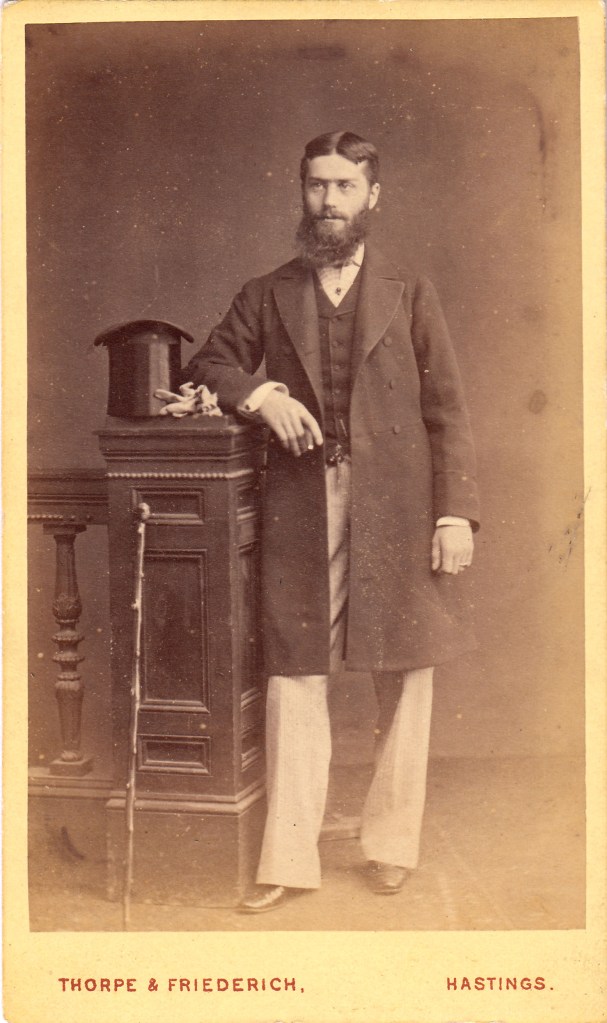
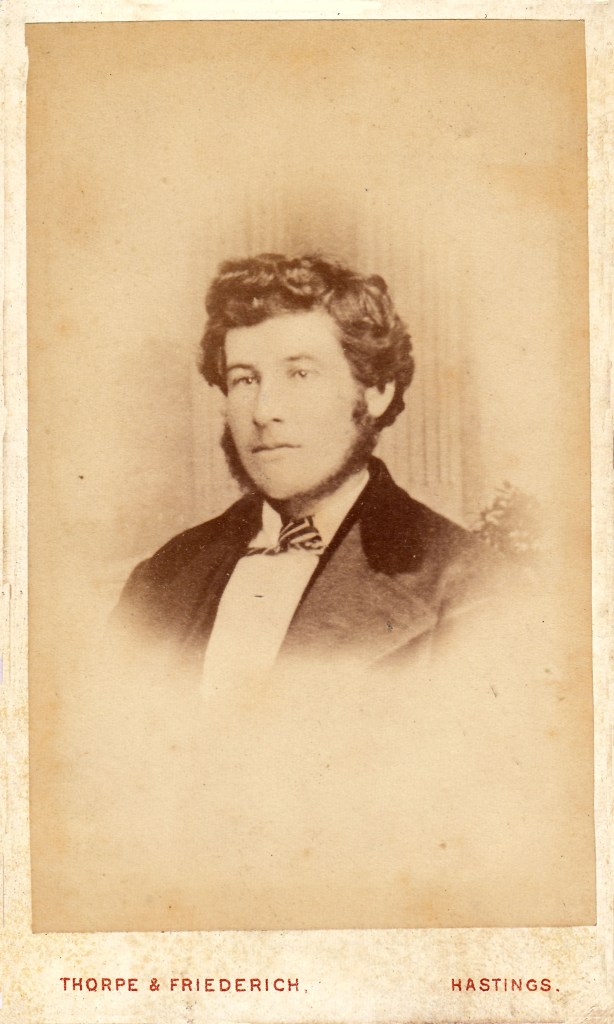
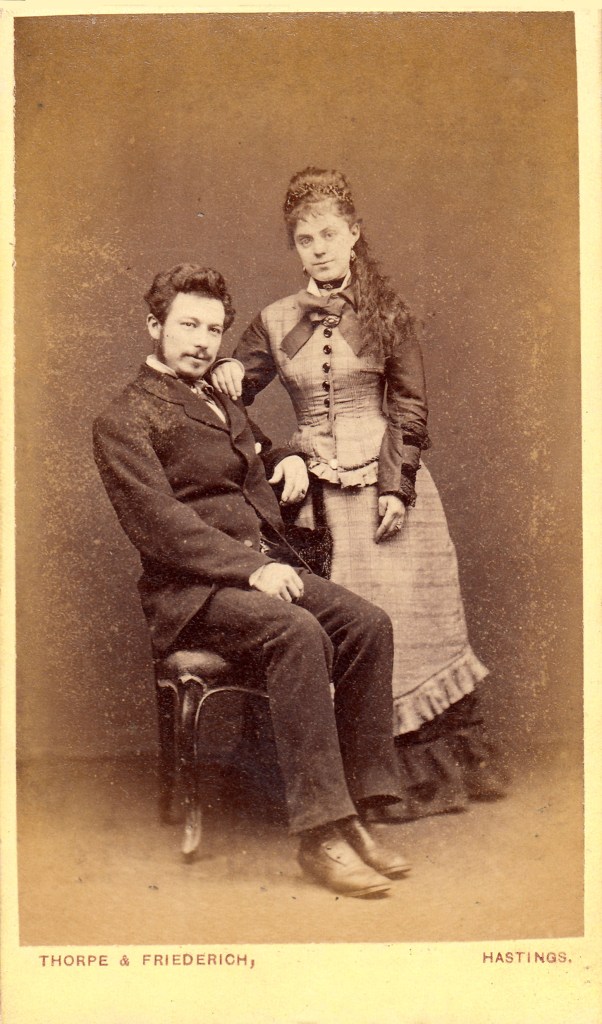
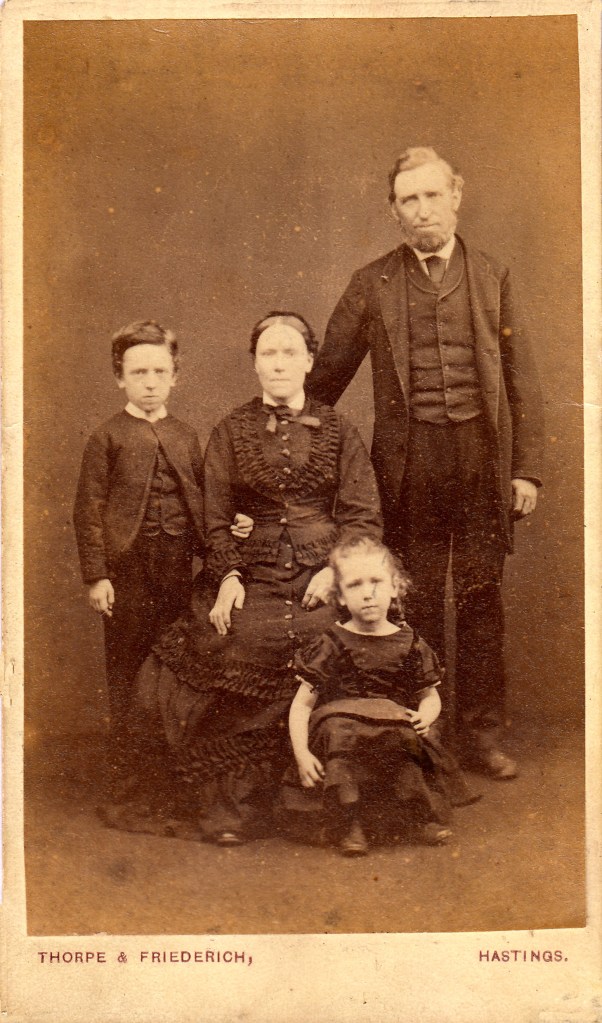
The partnership between William Thorpe and the young photographer came to an end when 20 year-old Walter Friederich married 17 year-old Olive Perry. Walter Friederich continued to work as a photographer from 9 St Matthew’s Terrace , St. Leonards-on-Sea. In 1882, while travelling in Wiltshire, Walter Ulrich Friederich died in the village of Alderbury. He was 26 years old at the time of his death, leaving 22-year-old Mrs Olive Friederich a young widow.
John Wesley Thomas (1831-1908)
Around 1877, the veteran photographer John Wesley Thomas acquired the studio at 52 Robertson Street from the firm of Thorpe & Friederich.
Gallery of Carte-de-visite Portraits by John Wesley Thomas of 52 Robertson Street, Hastings (1877-1880)
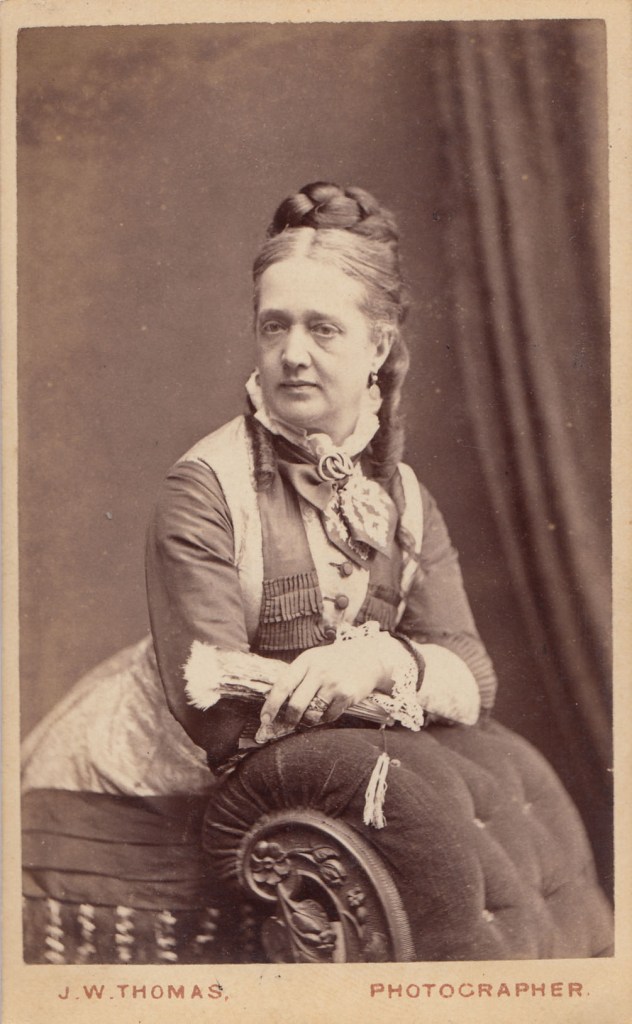
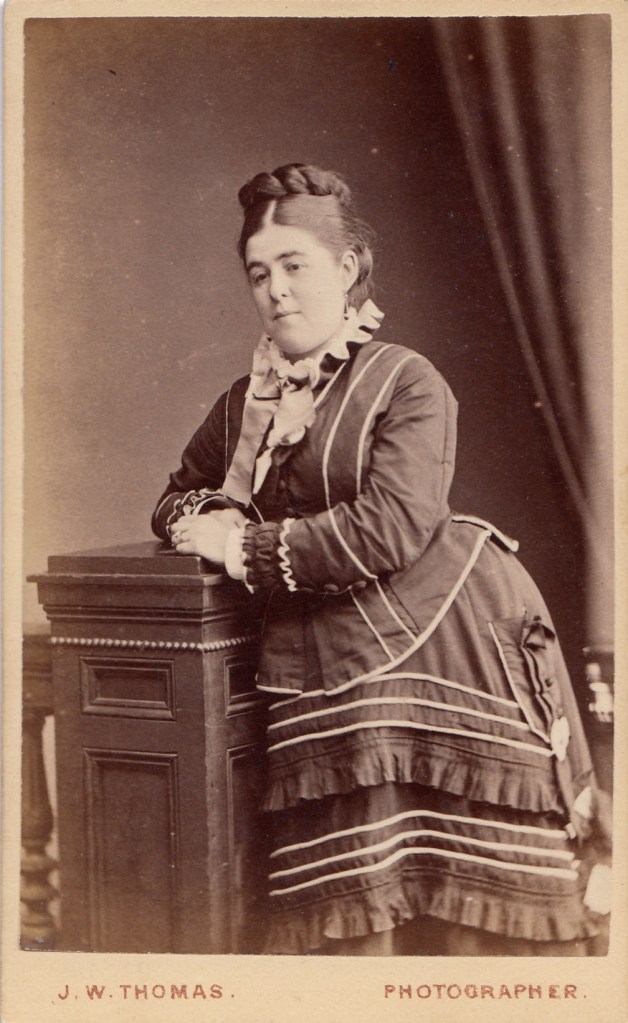
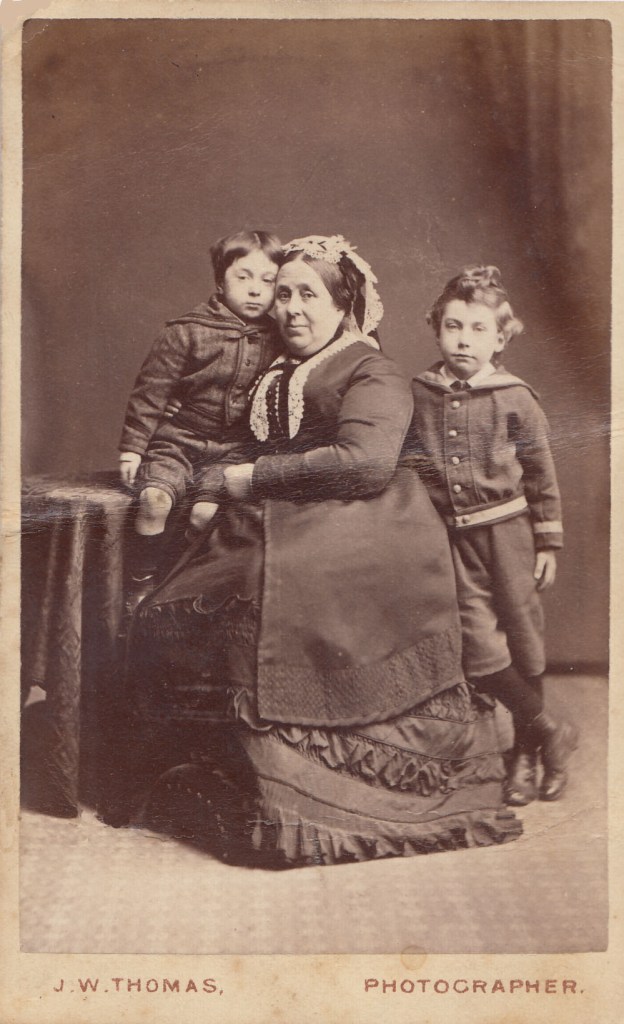
Despite the advantages of the Robertson Street studio over his modest premises in George Street, by the beginning of 1881, John Wesley Thomas had sold the studio at 52 Robertson Street to Henry Constantine Jennings, a portrait photographer from Norwich.
Henry Constantine Jennings and ‘The Memorial Studio’ at 52 Robertson Street, Hastings
By February 1881, John Wesley Thomas had sold his Robertson Street studio to the Norwich photographer Henry Constantine Jennings.
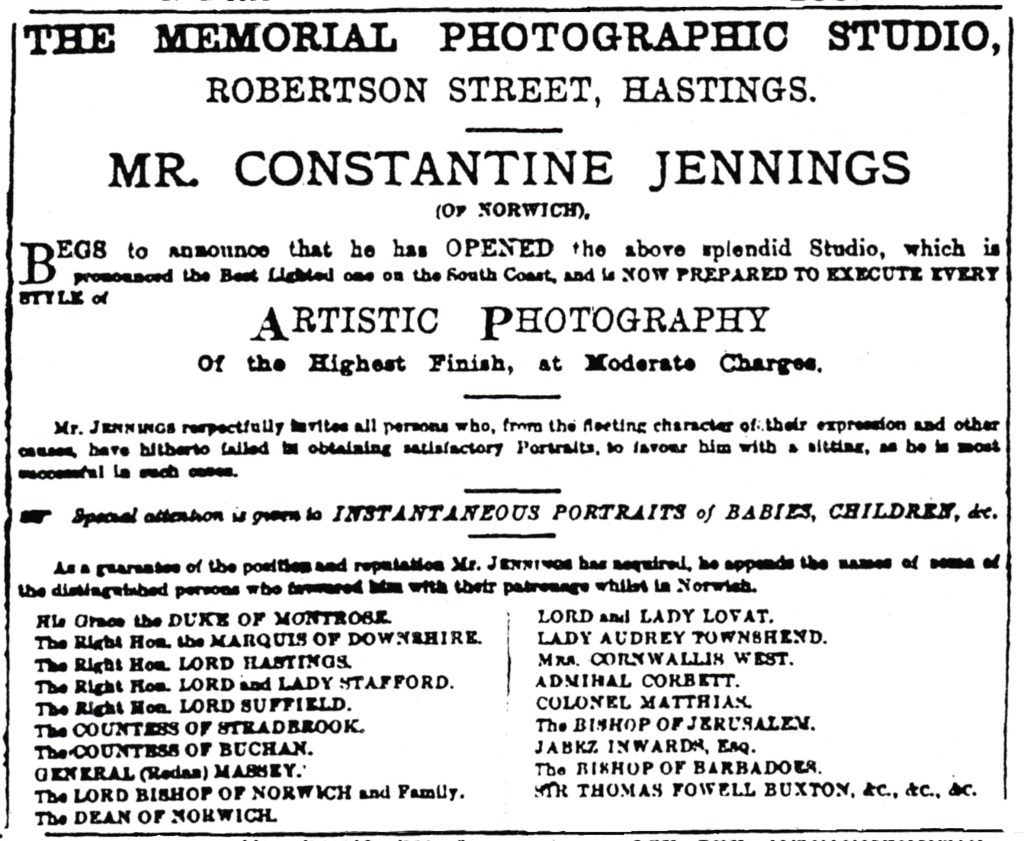
Henry Constanine Jennings had been born in Paris, France, in 1843, but he was a British subject, being the eldest son of Henry C. Jennings (1791-1873), a physician and “practical chemist”.
By the time he was 18-years-old, Henry Constantine Jennings was already working as a “Photographic Artist“. Between 1873 and 1876, Henry Constantine Jennings was managing his own photographic studio in Queen Street, Norwich. In February 1881, Jennings completed the purchase of John Wesley Thomas’s branch studio at 52 Robertson Street, Hastings, naming it “The Memorial Studio“.
The publicity printed on the reverse of H. C. Jennings’s cartes-de-visite gives the address of The Memorial Studio as “Robertson Street & Cambridge Street (sic)” which suggests that there were two entrances to the studio at 52 Robertson Street, Hastings.
Gallery of Carte-de-visite Portraits by Henry Constantine Jennings of The Memorial Studio, 52 Robertson Street, Hastings (1881-1886)
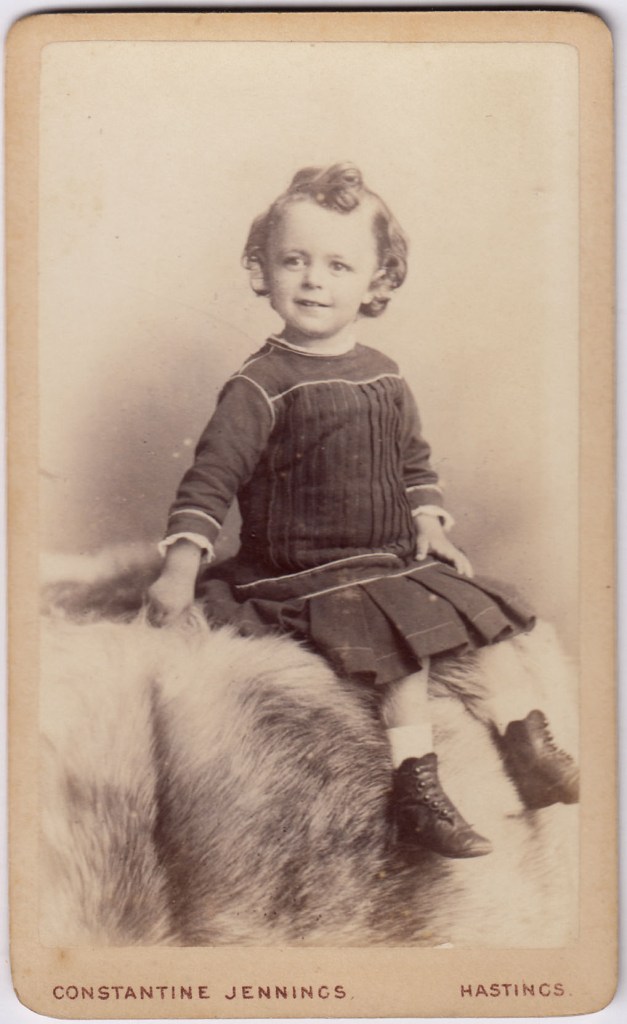
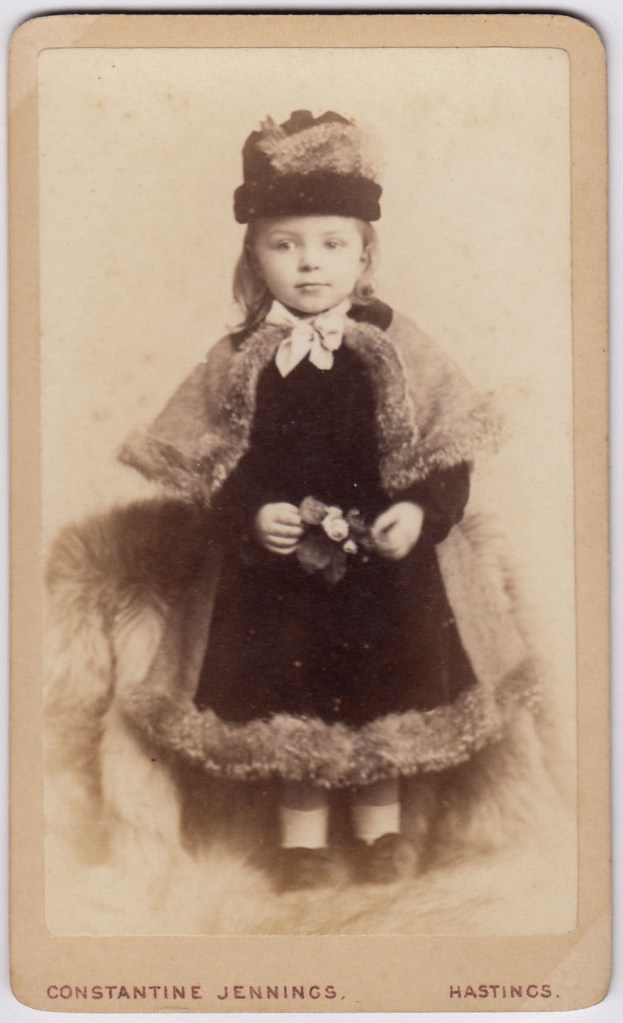
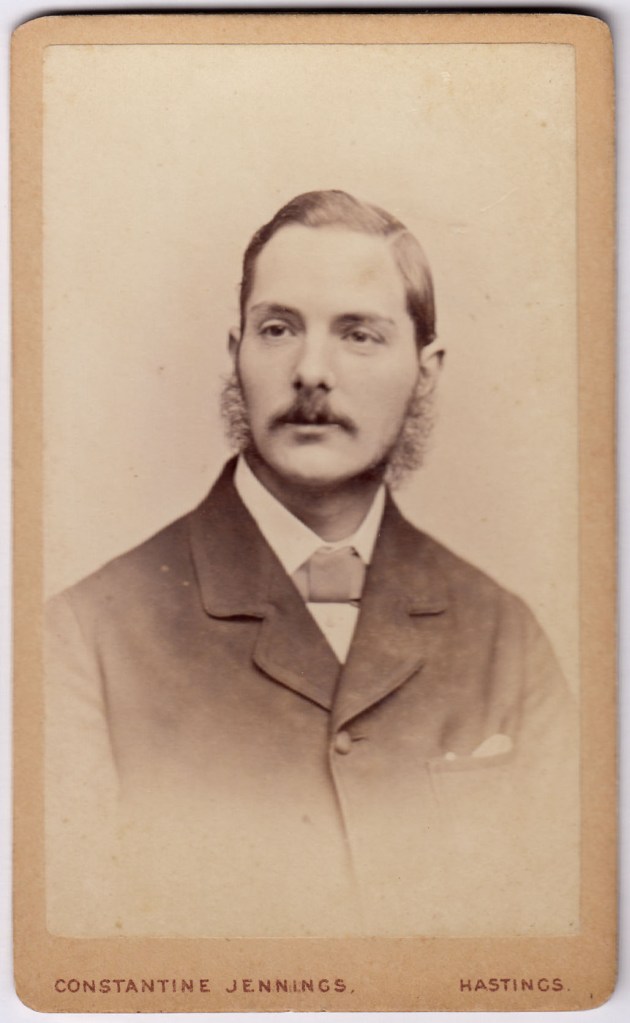
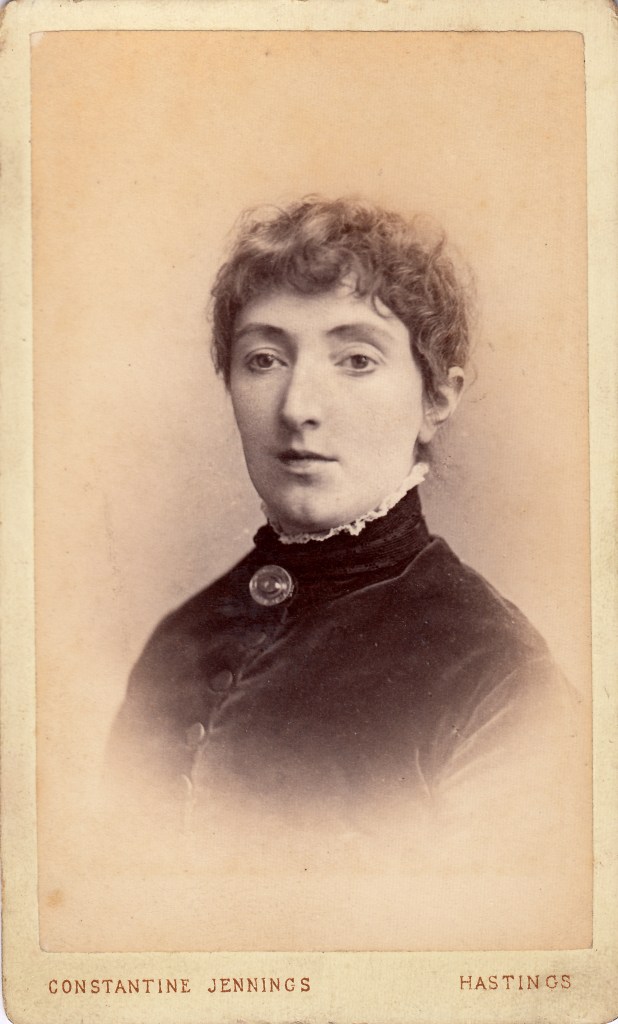
Jennings’ tenure at The Memorial Studio coincided with significant advances in the field of photography. The introduction of “dry plates” and the arrival of “instantaneous photography” and faster exposure times ensured better results, particularly in taking likenesses of babies and children.
George William Bradshaw (1857-1917)
George William Bradshaw was born in 1857 in Shoreditch, London, the eldest son of William Stephen Bradshaw, a professional photographer who was employed by a large London studio. A couple of years after William Stephen Bradshaw established the firm of W. S. Bradshaw & Sons in 1885, he placed George William Bradshaw in charge of the firm’s branch studio at 51 Robertson Street, Hastings. [ W. S. Bradshaw’s younger son, William James Bradshaw managed the South African branch studio in Pretoria].
George Bradshaw had married in 1885, so his father probably thought it was a good time to provide his eldest son with a studio of his own. In 1886, the firm of W. S. Bradshaw & Sons purchased Constantine Jennings’ studio at Nos 51-52 Robertson Street. Towards the end of 1886, George Bradshaw, accompanied by his young wife, arrived on the south coast to take over Constantine Jennings’ Memorial Studio in Robertson Street. At the beginning of his tenure, George W. Bradshaw retained the ‘Memorial Studio’ name for his business premises in Robertson Street, but within a few years the proprietor’s name “George W. Bradshaw” dwarfed the studio’s traditional name.
Gallery of Carte-de-visite Portraits by George W. Bradshaw of The Memorial Studio, 51c Robertson Street, Hastings (1886-1890)
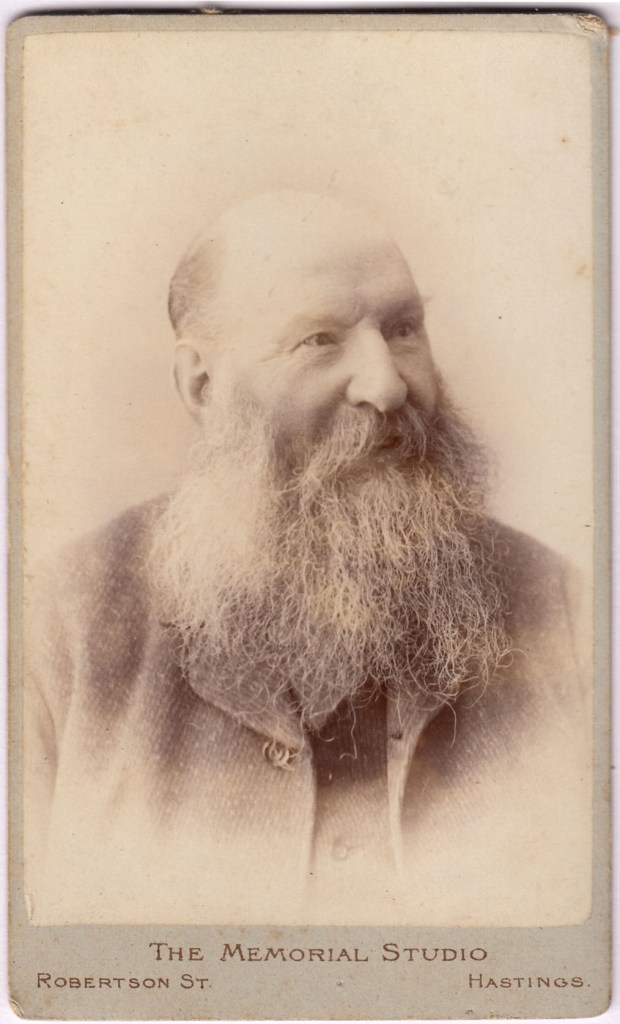
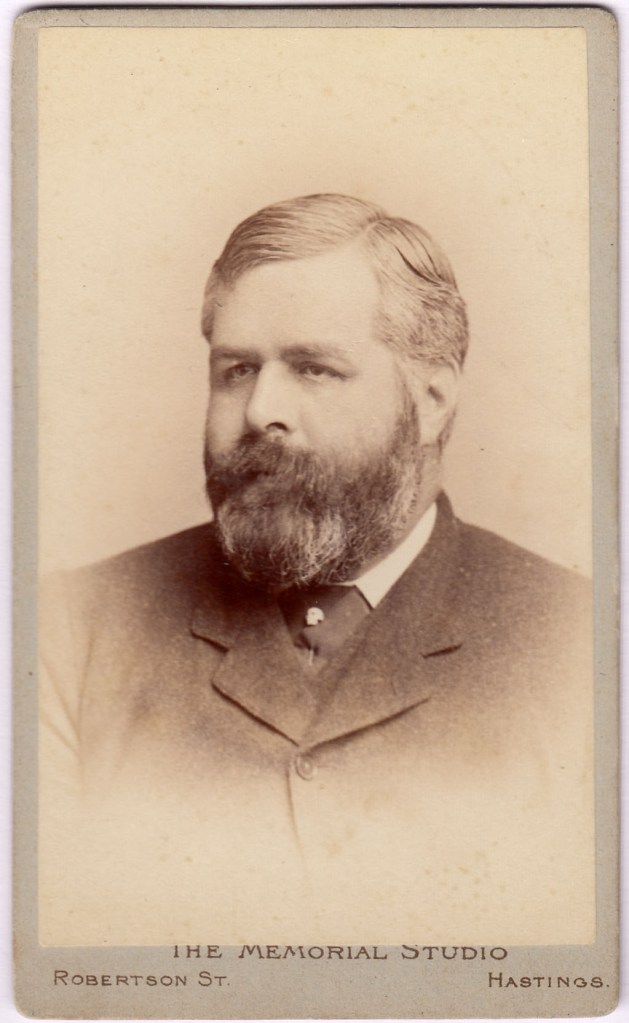
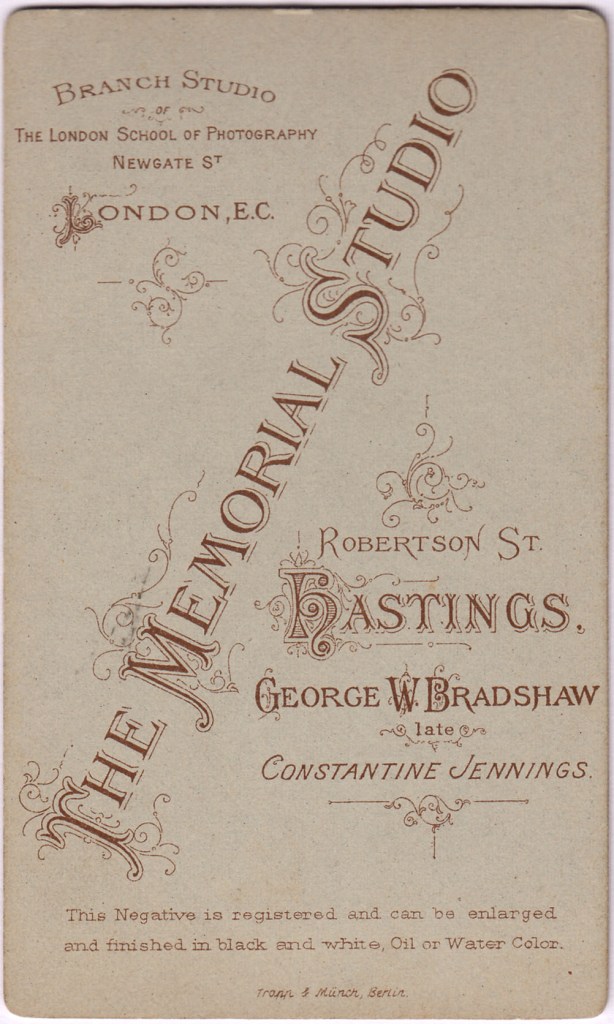
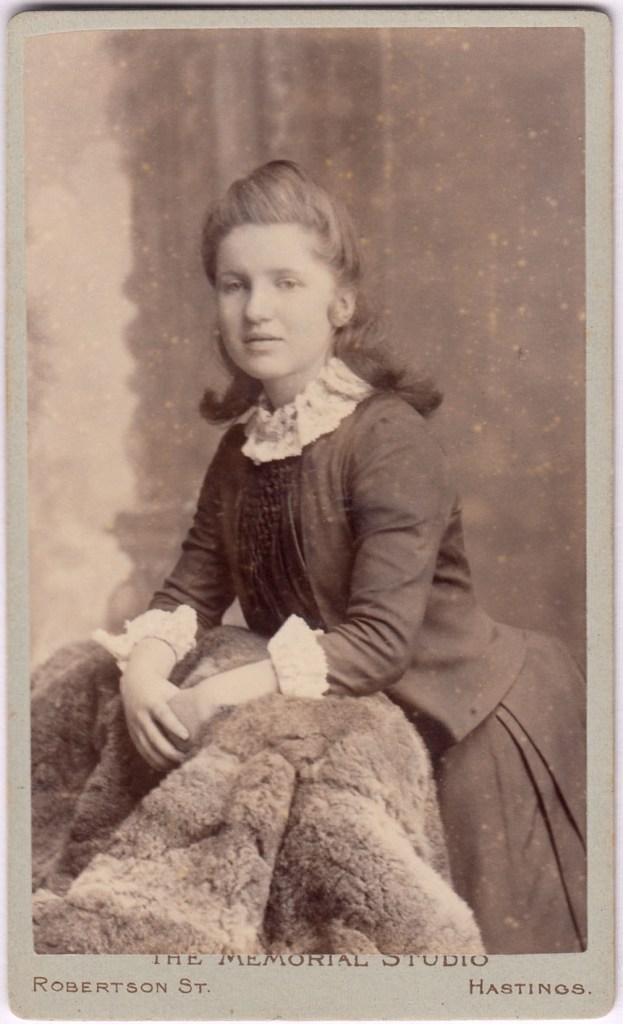
George William Bradshaw operated the Memorial Studio at 51 Robertson Street, Hastings, from 1886 until about 1902. By the time Kelly’s Directory of Sussex was published in 1903, the studio at 51c Robertson Street, Hastings was occupied by the photographer Sydney Henry Shaw.
Sydney Shaw (1871-1952) – the last professional photographer to operate a studio at Nos. 51-52 Robertson Street, Hastings
Sydney Henry Shaw was born in Peckham, Surrey, in 1871, the son of a senior civil servant in the War Office. In 1898, Sydney Shaw married Elizabeth Burgess in Camberwell, South London. After their marriage, Sydney and Elizabeth set up home in the All Saints district of Hastings. When the 1901 Census was taken, no occupation was recorded for 30-year-old Sydney Shaw but he soon found work as a photographer. On 28th June 1902, Charles Consitt Shaw, Sydney’s father died leaving his children significant sums of money. Using his inheritance, Sydney Shaw purchased George Bradshaw’s photography business at 51 Robertson Street, Hastings.
Sydney Shaw advertised his photography business as a ‘Cheap Photo’ studio and appears to have specialised in the popular ‘postcard format’ of portraiture.
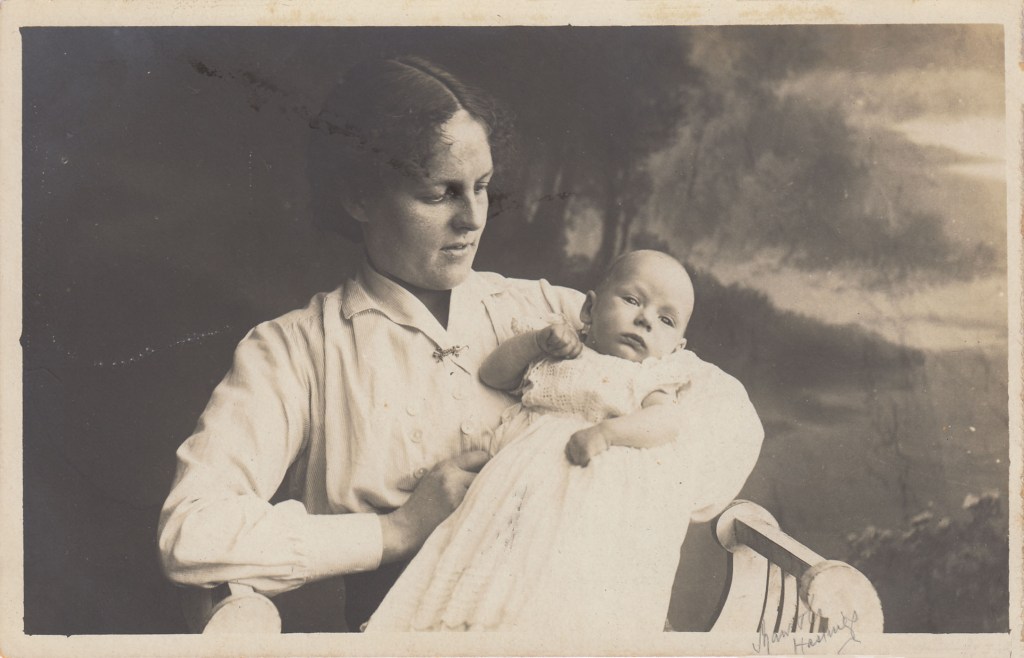
When the 1911 Census was taken, Sydney Shaw was living in the Battersea Park area of London. On the 1911 Census form, Sydney Shaw describes himself as a “Photographer (Employer)”. It appears that Shaw employed local photographers to staff his Hastings studio while he resided in London.
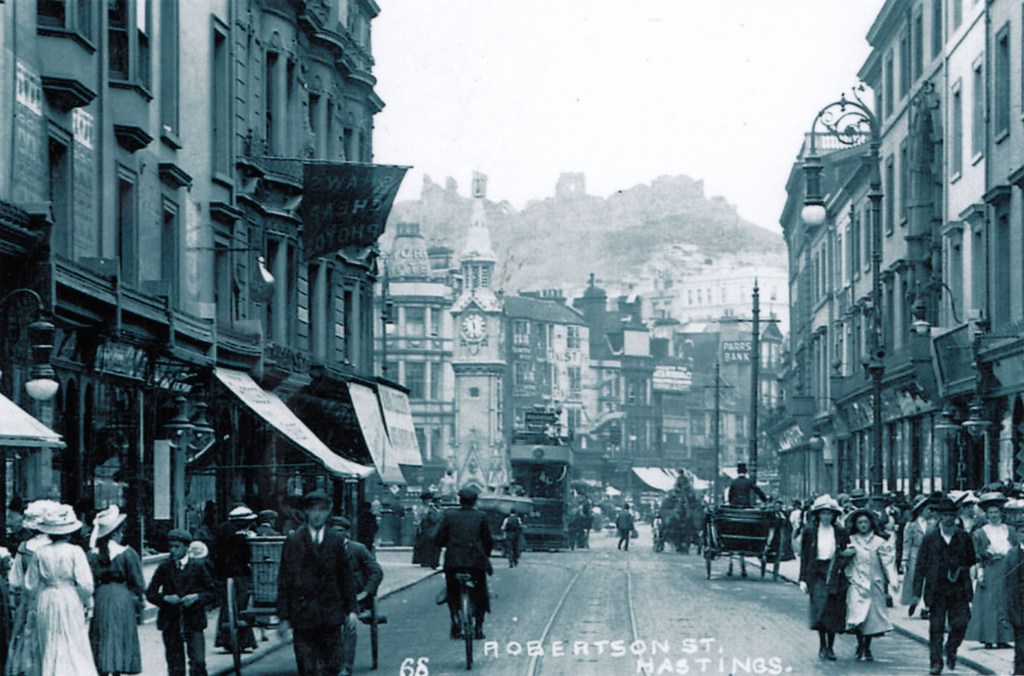
The photographic studio at 51-52 Robertson Street was last recorded in a trade directory published at the end of the First World War. The 1918 edition of Kelly’s ‘Directory of Sussex’ lists ‘Shaw & Co.’ , 51 c Robertson Street, Hastings, under the heading of “Photographers” in the ‘TRADES’ section of the directory. When the 1922 edition of Kelly’s ‘Directory of Sussex’ was published, there is no mention of Sydney Shaw & Co. and no photography firm is recorded at 51 or 52 Robertson Street.
The Business Premises at 51-52 Robertson Street, Hastings after 1918
Since the end of the First World War, the studio space at 51-52 Robertson Street has been used for various purposes – as a storage area, an office space and as a workshop but not as a photographic studio. Painter Beatrice Lacey made it into her art studio in 2012.
 Victorian Sussex Photographers